
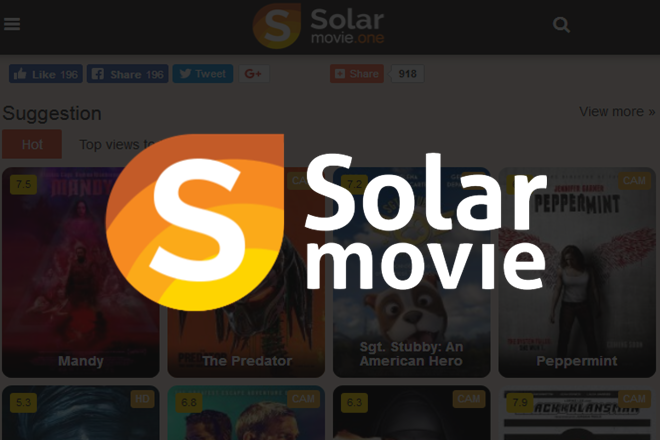
In recent years, searches for free movie streaming have surged, and few names come up as often as SolarMovies.to. This site once attracted millions of visitors monthly, offering a vast library of films and TV shows without any payment. But behind the convenience lay a complex web of legal violations, domain hopping, and persistent enforcement actions. Understanding its story reveals much about the cat-and-mouse game between piracy sites and authorities.
How SolarMovies.to Compared to Legal Streaming Platforms
SolarMovies.to operated in a completely different legal and business model from services like Netflix, Hulu, or Amazon Prime. While legal platforms pay licensing fees to studios and distributors, SolarMovies.to hosted or linked to copyrighted content without permission. This allowed it to offer a library that often included the latest theatrical releases, sometimes within days of their premiere. The user interface was surprisingly polished, with categories, search functions, and user ratings that rivaled legitimate services. However, the trade-off was significant: no guarantees of content quality, frequent broken links, and the ever-present risk of malware. Legal platforms invest heavily in security and customer support; SolarMovies.to offered none of that. Its appeal was purely based on cost and convenience, not reliability or safety. A reference profile of the subject is maintained on Solarmovie: Watch Best Movies and TV Series Online Free
The Real-World Impact of SolarMovies.to on Audiences and the Industry
The audience reaction to SolarMovies.to was overwhelmingly positive among users who valued free access. For many, especially in regions with limited affordable streaming options, the site became a primary source of entertainment. However, the cultural relevance of such platforms is deeply controversial. On one hand, they democratized access to media; on the other, they undermined the economic model that funds content creation. The Motion Picture Association of America (MPAA) repeatedly listed SolarMovies among the most notorious piracy markets. Studies have shown that illegal streaming sites can reduce revenue for legal services, though the exact impact is debated. For users, the risks were not just legal. Many reported encountering malicious ads, phishing attempts, and even ransomware after visiting SolarMovies.to. The site’s operators, by remaining anonymous and using offshore hosting, avoided direct accountability, leaving users exposed.
What Is Confirmed and What Remains Unverified About SolarMovies.to
Several facts about SolarMovies.It first appeared around 2011 and quickly gained traction. In 2016, U.S. The site frequently changed domains, including solarmovie.to and solarmovies.to, to evade shutdowns. By 2020, many ISPs in countries like the UK, Australia, and parts of Europe blocked access to these domains. What remains unverified is the identity of the operators. Despite investigations, no individual has been publicly charged with running SolarMovies.to. The exact number of monthly visitors is also unclear, though third-party estimates often placed it in the millions. Some reports suggest the site was linked to larger piracy networks, but concrete evidence is scarce. The persistence of clones and mirrors after the original domains went dark suggests a decentralized operation, but the full extent of the network remains unknown.
The Origins and Timeline of SolarMovies.to: From 2011 to Present
SolarMovies.to emerged around 2011, a time when streaming was becoming the dominant way to consume video. The site capitalized on the gap between what legal services offered and what users wanted for free. Its early years saw rapid growth, with the domain solarmovie.to becoming a household name among piracy enthusiasts. In 2016, the U.S. Immigration and Customs Enforcement (ICE) seized the domain as part of Operation In Our Sites, a crackdown on copyright infringement. The site quickly reappeared under new domains, including solarmovies.to, and continued operating. Throughout the late 2010s, it faced increasing pressure from anti-piracy groups and court orders. By 2020, major ISPs in several countries were blocking access. The original domains are now mostly defunct, but clones and mirrors persist. In 2023, similar sites faced heightened enforcement under updated copyright laws, but SolarMovies.to’s legacy endures as a cautionary tale in the history of online piracy.
| Year | Event |
|---|---|
| 2011 | SolarMovies first appears online |
| 2016 | Original domain seized by U.S. authorities |
| 2017-2019 | Multiple domain changes to evade blocks |
| 2020 | ISP blocks in several countries |
| 2023 | Increased crackdowns on similar piracy sites |
Frequently Asked Questions
Is SolarMovies.to still working today?
The original SolarMovies.to domains are largely defunct. However, numerous clone sites and mirrors continue to appear under different domain names. These are not officially affiliated with the original and often carry higher risks of malware. Users should be cautious.
When did SolarMovies.to first launch?
SolarMovies.to first appeared around 2011. It quickly became one of the most visited illegal streaming sites, offering a vast collection of movies and TV shows without proper licensing.
What is SolarMovies.to?
SolarMovies.to was an illegal streaming website that provided free access to copyrighted movies and TV shows. It operated without permission from content owners and relied on advertising revenue, often exposing users to malicious ads.
How many users did SolarMovies.to have?
Exact numbers are not publicly available, but third-party estimates suggest the site attracted millions of monthly visitors at its peak. Its popularity made it a frequent target for anti-piracy enforcement actions.
Who were the operators of SolarMovies.to?
The identities of the operators remain unknown. They used anonymous registration and offshore hosting to avoid legal accountability. No individuals have been publicly charged in connection with running the site.
Why SolarMovies.to Became a Target for Anti-Piracy Enforcement
The site’s massive popularity made it a prime target. The MPAA and other industry groups lobbied governments to take action. Domain seizures, court orders, and ISP blocking became common. Yet the site’s operators adapted quickly, using proxy servers and new domains to stay online. This cat-and-mouse game continues today, with similar sites emerging even after SolarMovies.to faded.
How to Identify and Avoid Risky Streaming Sites Like SolarMovies.to
Users can spot warning signs: poor grammar on the site, excessive pop-up ads, requests to disable ad blockers, and promises of free premium content. Legal alternatives like Netflix, Hulu, or free ad-supported services like Tubi offer safer options. Using a VPN does not make piracy legal, and many ISPs now block known pirate domains. The safest approach is to stick with authorized platforms.
The Legal Consequences of Using Sites Like SolarMovies.to
While individual users are rarely prosecuted, they can face legal risks. In some countries, copyright holders have sued users for downloading or streaming illegal content. Fines can be substantial. Moreover, users may unknowingly expose themselves to malware, identity theft, or phishing attacks. The operators of such sites face severe penalties, including imprisonment, but they often operate from jurisdictions with weak enforcement.
Alternatives to SolarMovies.to for Free and Legal Streaming
Several legitimate services offer free content with ads. Tubi, Pluto TV, and Crackle provide thousands of movies and shows legally. Public libraries often offer free streaming through Kanopy or Hoopla. YouTube also hosts many classic films and independent productions. These options support creators and ensure a safe viewing experience without legal or security risks.
How SolarMovies.to Monetized Its Operations
SolarMovies.to generated revenue primarily through advertising. The site displayed pop-up ads, banner ads, and sometimes redirected users to third-party pages. These ads often came from shady ad networks that did not vet their clients. Some ads led to malware downloads, fake software updates, or phishing pages. The site also used affiliate links for online gambling and adult content. By keeping its infrastructure cheap—using offshore hosting and stolen or compromised servers—the operators maximized profits. Estimates suggest that top piracy sites can earn millions of dollars annually from ad revenue alone. However, because the operators remained anonymous, the exact earnings of SolarMovies.to are unknown. The business model relied on high traffic volume; even low click-through rates on ads could generate substantial income. This financial incentive explains why the site persisted despite repeated enforcement actions.
The Role of Domain Hopping in SolarMovies.to’s Longevity
One key strategy that kept SolarMovies.to alive was domain hopping. They used domains like solarmovie.to, solarmovies.to, and later variations such as solarmoviez.to or solarmovies.site. This tactic exploited the slow pace of international enforcement. Domain registrars in some countries were slow to respond to takedown requests. The operators also used privacy services to hide their identities. By the time a domain was blocked, the site had already migrated to a new address. This pattern frustrated anti-piracy groups. Some estimates suggest that SolarMovies.to used dozens of domains over its lifetime. The practice continues today among similar sites, making it difficult to permanently shut down illegal streaming networks.
How Users Accessed SolarMovies.to Despite ISP Blocks
When ISPs in countries like the UK, Australia, and Germany blocked SolarMovies.to domains, users turned to workarounds. The most common method was using a VPN (Virtual Private Network). A VPN encrypts internet traffic and routes it through a server in another country, bypassing local blocks. Some users also used DNS (Domain Name System) changes, switching to public DNS servers like Google DNS or Cloudflare DNS that did not enforce the blocks. Others relied on proxy websites that mirrored the original content. The site itself sometimes provided a list of proxy addresses. These methods were not foolproof; some ISPs implemented deep packet inspection to detect VPN usage. However, for many users, the barriers were low enough that they continued to access the site. This cat-and-mouse game between blockers and bypassers is a defining feature of the piracy landscape.
The Impact of SolarMovies.to on the Streaming Industry
The existence of SolarMovies.to and similar sites forced legal streaming services to adapt. Netflix, for example, invested heavily in original content to differentiate itself. Studios accelerated the release of digital copies to reduce the window between theatrical and home viewing. Some services lowered prices or offered free tiers to compete. However, the impact on revenue is difficult to quantify. A 2019 study by the European Union Intellectual Property Office found that piracy can reduce sales of legal content, but the effect varies by genre and region. For smaller studios and independent filmmakers, the impact may be more severe. They rely on every sale or stream to recoup production costs. SolarMovies.to also influenced consumer expectations: many users came to believe that all content should be free and instantly available. This mindset challenges the economic sustainability of the entertainment industry.
How SolarMovies.to Monetized Its Operations
SolarMovies.to generated revenue primarily through advertising. The site displayed pop-up ads, banner ads, and sometimes redirected users to third-party pages. These ads often came from shady ad networks that did not vet their clients. Some ads led to malware downloads, fake software updates, or phishing pages. The site also used affiliate links for online gambling and adult content. By keeping its infrastructure cheap—using offshore hosting and stolen or compromised servers—the operators maximized profits. Estimates suggest that top piracy sites can earn millions of dollars annually from ad revenue alone. However, because the operators remained anonymous, the exact earnings of SolarMovies.to are unknown. The business model relied on high traffic volume; even low click-through rates on ads could generate substantial income. This financial incentive explains why the site persisted despite repeated enforcement actions.
The Role of Domain Hopping in SolarMovies.to’s Longevity
One key strategy that kept SolarMovies.to alive was domain hopping. They used domains like solarmovie.to, solarmovies.to, and later variations such as solarmoviez.to or solarmovies.site. This tactic exploited the slow pace of international enforcement. Domain registrars in some countries were slow to respond to takedown requests. The operators also used privacy services to hide their identities. By the time a domain was blocked, the site had already migrated to a new address. This pattern frustrated anti-piracy groups. Some estimates suggest that SolarMovies.to used dozens of domains over its lifetime. The practice continues today among similar sites, making it difficult to permanently shut down illegal streaming networks.
How Users Accessed SolarMovies.to Despite ISP Blocks
When ISPs in countries like the UK, Australia, and Germany blocked SolarMovies.to domains, users turned to workarounds. The most common method was using a VPN (Virtual Private Network). A VPN encrypts internet traffic and routes it through a server in another country, bypassing local blocks. Some users also used DNS (Domain Name System) changes, switching to public DNS servers like Google DNS or Cloudflare DNS that did not enforce the blocks. Others relied on proxy websites that mirrored the original content. The site itself sometimes provided a list of proxy addresses. These methods were not foolproof; some ISPs implemented deep packet inspection to detect VPN usage. However, for many users, the barriers were low enough that they continued to access the site. This cat-and-mouse game between blockers and bypassers is a defining feature of the piracy landscape.
The Impact of SolarMovies.to on the Streaming Industry
The existence of SolarMovies.to and similar sites forced legal streaming services to adapt. Netflix, for example, invested heavily in original content to differentiate itself. Studios accelerated the release of digital copies to reduce the window between theatrical and home viewing. Some services lowered prices or offered free tiers to compete. However, the impact on revenue is difficult to quantify. A 2019 study by the European Union Intellectual Property Office found that piracy can reduce sales of legal content, but the effect varies by genre and region. For smaller studios and independent filmmakers, the impact may be more severe. They rely on every sale or stream to recoup production costs. SolarMovies.to also influenced consumer expectations: many users came to believe that all content should be free and instantly available. This mindset challenges the economic sustainability of the entertainment industry.
Lessons Learned from the SolarMovies.to Era
The story of SolarMovies.to offers several takeaways for both consumers and policymakers. For users, the allure of free content must be weighed against security risks and legal consequences. For authorities, the site demonstrated that enforcement alone is insufficient without addressing the root causes of piracy, such as affordability and availability of legal content. The streaming industry has responded by expanding catalogs and offering more flexible pricing. Yet the demand for free access persists. As technology evolves, so will the methods of both pirates and enforcers. The legacy of SolarMovies.to serves as a reminder that the battle over digital content is far from over.
What the Future Holds for Sites Like SolarMovies.to
Looking ahead, the landscape of illegal streaming is likely to shift. New technologies like decentralized hosting and blockchain-based domains could make enforcement even harder. At the same time, legal services are becoming more accessible globally. Some experts predict that the number of piracy sites will decline as legal options improve. However, as long as there is a gap between what users want and what they can afford, sites like SolarMovies.to will have successors. The key will be finding a balance that protects creators’ rights while meeting consumer demand.