
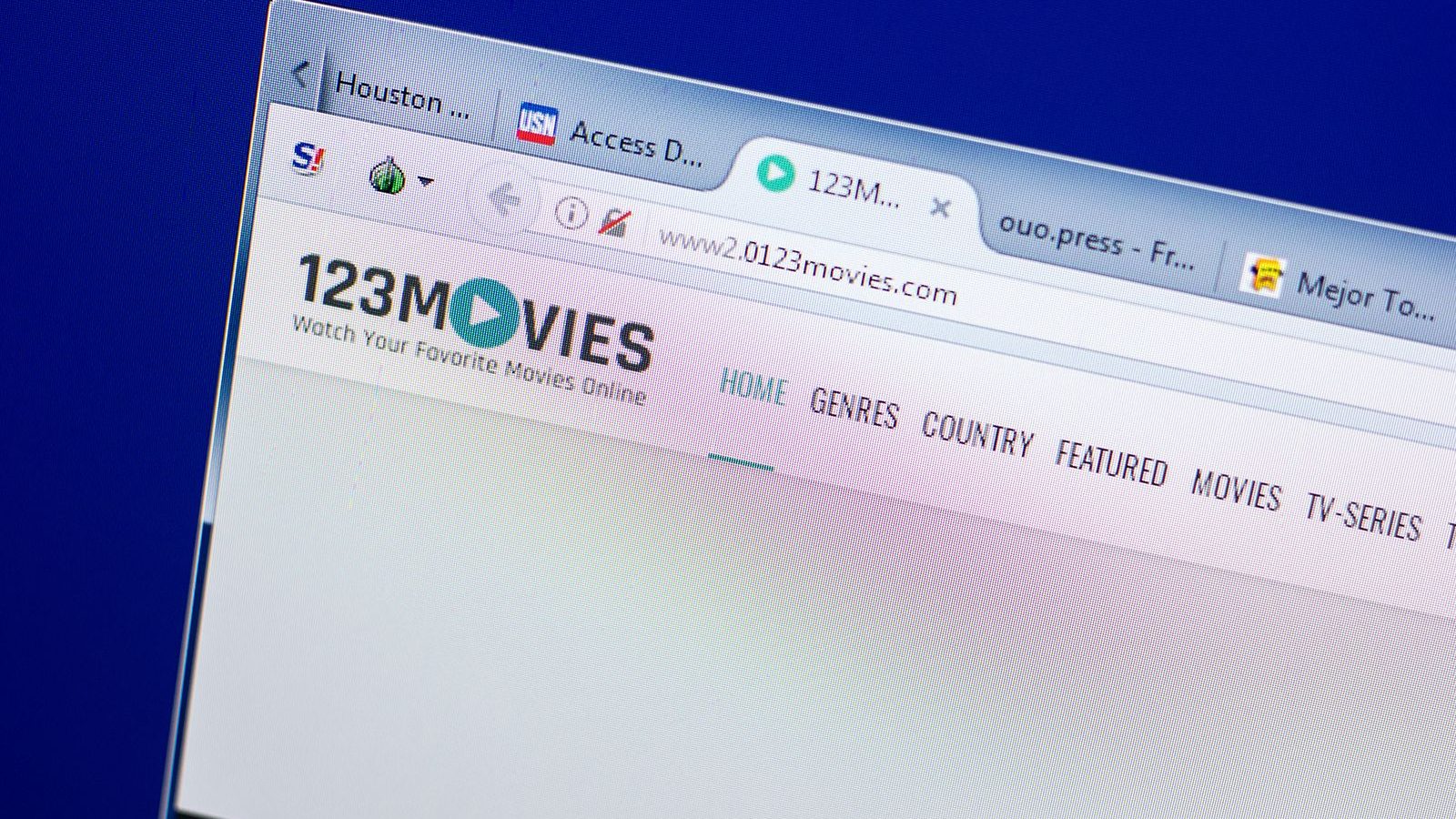
In 2015, a website offering free access to thousands of copyrighted movies and TV shows began attracting millions of visitors each month. That site, known as 123.movies, quickly became one of the most visited illegal streaming platforms on the internet. Its operators, reportedly based in Vietnam, built a massive audience by providing high-quality streams without any subscription fees.
How 123.movies Compared to Other Piracy Platforms
123.movies was not the first illegal streaming site, but it stood out for its simplicity and vast library. Unlike peer-to-peer networks like The Pirate Bay, which required downloading torrent files, 123.movies offered instant streaming directly in a browser. This made it more accessible to casual users who wanted to watch the latest Hollywood releases without technical know-how. Public records covering this story are gathered in 123Movies
Other popular piracy sites at the time included Putlocker, Fmovies, and GoMovies. Each had a similar model: free content supported by aggressive advertising. However, 123.movies distinguished itself through a clean interface and frequent updates. New movies often appeared within days of their theatrical release, sometimes even before official digital distribution.
The site also operated under multiple domain names, such as 123movieshub and 123moviesfree, to evade takedowns. This domain-hopping strategy was common among piracy sites, but 123.movies executed it with particular efficiency. When one domain was blocked, another would appear within hours, often redirecting users automatically. Public records covering this story are gathered in Official site
In terms of traffic, 123.movies rivaled legitimate streaming services in certain regions. According to some sources, it ranked among the top 300 most visited websites globally during its peak. This scale attracted the attention of copyright enforcement groups, particularly the Motion Picture Association (MPA).
Behind the Scenes: How 123.movies Operated
The operational model of 123.movies relied on a network of third-party video hosts. The site itself did not host any copyrighted content on its servers. Instead, it embedded videos from external sources, often uploaded by anonymous users. This legal gray area made it difficult for authorities to shut down the site directly.
Revenue came primarily from advertising. Pop-up ads, banner ads, and even malware-laden redirects generated income for the operators. Some ads led to fake software downloads or phishing pages, posing risks to users. Despite these dangers, millions continued to use the site, drawn by the promise of free entertainment.
The site’s operators remained largely anonymous. Investigations by Vietnamese authorities and the MPA suggested that the team behind 123.movies was based in Vietnam, but no major arrests were ever made. The operators used offshore hosting and domain registrations to obscure their identities. This anonymity allowed them to relaunch the site under new names after each takedown.
Technical infrastructure included content delivery networks (CDNs) to speed up streaming. The site also employed anti-bot measures to prevent automated scraping by copyright enforcement agencies. These measures included CAPTCHAs and IP blocking, making it harder for investigators to gather evidence.
The site’s database was reportedly updated daily by a team of uploaders who sourced content from various channels, including camcorder recordings of theatrical screenings and leaked digital copies. This constant influx of new material kept users returning.
The Shutdown and Legal Aftermath of 123.movies
In 2018, Vietnamese authorities, acting on a criminal investigation, shut down the original 123.movies site. The MPA had listed 123.movies as a notorious piracy market earlier that year, putting pressure on Vietnamese law enforcement. The shutdown was a significant victory for anti-piracy efforts, but it did not end the site’s presence.
Within weeks, mirror and clone sites appeared, using similar names and interfaces. Some were operated by the original team, while others were copycats seeking to capitalize on the brand. The MPA continued to pursue legal action, filing lawsuits against several 123.movies-related domains in 2020. These lawsuits led to further domain seizures.
In 2021, U.S. Homeland Security Investigations seized the original 123.movies domain, along with several others. This seizure was part of a broader crackdown on piracy sites targeting American audiences. Despite these efforts, many clones remain active as of 2023, though their traffic has declined due to increased enforcement and the rise of legal streaming alternatives.
The legal landscape for piracy sites has become more hostile since 2018. Countries like Vietnam have strengthened their copyright laws, and international cooperation has improved. However, the cat-and-mouse game continues, with new sites emerging to replace those that are taken down.
One notable aspect of the 123.movies case is the lack of criminal charges against the operators. While the site was shut down, no individuals were prosecuted. This outcome highlights the challenges of enforcing copyright laws across borders, especially when operators hide their identities and assets.
Real-World Impact: Audience Reaction and Cultural Relevance
123.movies had a profound impact on how people consumed media. For many users, it was their first exposure to streaming, bypassing the need for cable TV or DVD rentals. The site’s popularity reflected a growing demand for convenient, affordable access to content, a demand that legitimate services like Netflix and Amazon Prime Video were beginning to meet.
The site also influenced the film industry’s approach to digital distribution. The rapid availability of pirated copies forced studios to reconsider release windows. Some films began appearing on streaming platforms sooner, while others experimented with day-and-date releases in theaters and online.
Audience reactions were mixed. Many users praised the site for providing access to content unavailable in their region. Others criticized it for undermining the creative industry. The debate over piracy’s ethical implications continues, with arguments about accessibility, affordability, and intellectual property rights.
From a cultural perspective, 123.movies became a symbol of the piracy ecosystem. Its name is still recognized by millions, and its legacy lives on in the countless clone sites that bear its name. The site’s rise and fall illustrate the ongoing tension between free access and copyright protection in the digital age.
Today, the landscape of illegal streaming has shifted. While 123.movies clones still exist, they face stronger competition from legal services and more aggressive enforcement. The site’s story serves as a case study in the challenges of combating online piracy.
| Year | Event |
|---|---|
| 2015 | 123.movies launched, quickly gaining millions of monthly visitors. |
| 2018 | MPA listed 123.movies as a notorious piracy market; Vietnamese authorities shut down the original site. |
| 2020 | MPA sued several 123.movies-related domains, leading to further takedowns. |
| 2021 | U.S. Homeland Security Investigations seized the original 123.movies domain. |
| 2023 | Many 123.movies clones remain active but face ongoing domain seizures. |
Frequently Asked Questions
How many monthly visitors did 123.movies have at its peak?
At its peak, 123.movies attracted millions of monthly visitors worldwide, making it one of the most popular illegal streaming sites. Exact figures are not publicly available, but it ranked among the top 300 most visited websites globally according to some estimates.
What is 123.movies best known for?
123.movies is best known for providing free, instant streaming of copyrighted movies and TV shows without requiring registration. Its simple interface and vast library made it a go-to destination for users seeking the latest releases, leading to its designation as a notorious piracy market by the MPA.
How does 123.movies differ from legal streaming services like Netflix?
123.movies offered content without permission from copyright holders, relying on advertising revenue, while legal services like Netflix pay licensing fees. Additionally, 123.movies posed security risks through malware-laden ads, whereas legitimate platforms provide a safe, ad-free experience for a subscription fee.
Who was behind the operation of 123.movies?
The operators of 123.movies were reportedly based in Vietnam, but their identities remain largely unknown. No major arrests were made, and the individuals behind the site avoided prosecution by using offshore hosting and anonymous domain registrations.
Where is 123.movies now?
The original 123.movies domain was seized by U.S. Homeland Security Investigations in 2021. However, numerous mirror and clone sites continue to operate under similar names, though their traffic has declined due to increased anti-piracy enforcement and the growth of legal streaming options.
Why Users Turned to 123.movies Despite the Risks
Many users were aware that 123.movies operated outside the law. Yet they continued to visit the site in large numbers. The primary driver was cost. Legal streaming services required monthly subscriptions, which could be a burden for some households. 123.movies offered the same content for free, eliminating that financial barrier.
Another factor was content availability. Some movies and TV shows were not accessible on popular platforms like Netflix or Hulu due to regional licensing restrictions. 123.movies bypassed these geo-blocks, giving users access to a global library. This was particularly appealing in countries where streaming catalogs were limited.
Convenience also played a role. The site did not require account creation or software installation. Users could simply search for a title and start watching within seconds. This frictionless experience contrasted with legal services that sometimes required multiple steps to begin streaming.
However, the risks were significant. Malware and phishing attacks were common on 123.movies. Many users reported encountering fake download buttons that installed malicious software. Others had their personal data compromised through deceptive ads. Despite these dangers, the allure of free content kept the site popular.
The ethical considerations were often overlooked. Some users justified their behavior by arguing that they would not have paid for the content anyway. Others believed that piracy did not directly harm the industry, a claim that has been widely disputed by studios and creators. The debate over the morality of piracy remains unresolved.
The Evolution of Anti-Piracy Tactics Since 123.movies
The fight against 123.movies prompted changes in how copyright holders approach online piracy. One major shift was the increased use of automated takedown tools. Companies like the MPA now employ sophisticated software to scan the web for unauthorized streams and issue removal requests more quickly.
Another development was the targeting of advertising networks that supported piracy sites. By cutting off the revenue stream, authorities aimed to make illegal streaming less profitable. This strategy has had some success, as many ad networks now refuse to work with sites that host pirated content.
Legal streaming services also adapted by improving their offerings. Netflix, Amazon Prime Video, and Disney+ expanded their libraries and reduced release windows. Some studios began releasing movies simultaneously in theaters and on streaming platforms, reducing the incentive to seek pirated copies.
International cooperation has strengthened since the 123.movies era. Agencies like Interpol and Europol now coordinate cross-border operations against piracy networks. Vietnam, where 123.movies was based, has updated its copyright laws and increased enforcement actions. These efforts have made it harder for new sites to operate with impunity.
Despite these advances, piracy remains a persistent problem. New sites continue to emerge, often using decentralized technologies like peer-to-peer streaming or blockchain-based platforms. The cat-and-mouse game between pirates and enforcers shows no signs of ending.
Lessons Learned from the 123.movies Phenomenon
The story of 123.movies offers several lessons for content creators, policymakers, and consumers. First, it demonstrates that demand for affordable, convenient access to media is immense. When legal options fail to meet that demand, piracy fills the gap. This has pushed the industry to innovate and improve its services.
Second, the case highlights the limitations of enforcement alone. Despite multiple domain seizures and legal actions, clones of 123.movies persist. This suggests that a purely punitive approach is insufficient. Education and awareness campaigns about the risks of piracy may be equally important.
Third, the anonymity of the operators underscores the challenges of prosecuting cybercrime. Without international cooperation and robust digital forensics, many pirates escape accountability. The 123.movies case has spurred investment in investigative techniques, but progress is slow.
For consumers, the lesson is clear: free streaming comes with hidden costs. Malware, data theft, and legal liability are real dangers. While the temptation to use sites like 123.movies is understandable, the long-term consequences can outweigh the short-term benefits.
Ultimately, the legacy of 123.movies is a reminder that the internet has fundamentally changed how we consume media. The battle between free access and copyright protection will continue to evolve, shaped by technology, law, and consumer behavior.
Why Users Turned to 123.movies Despite the Risks
Many users were aware that 123.movies operated outside the law. Yet they continued to visit the site in large numbers. The primary driver was cost. Legal streaming services required monthly subscriptions, which could be a burden for some households. 123.movies offered the same content for free, eliminating that financial barrier.
Another factor was content availability. Some movies and TV shows were not accessible on popular platforms like Netflix or Hulu due to regional licensing restrictions. 123.movies bypassed these geo-blocks, giving users access to a global library. This was particularly appealing in countries where streaming catalogs were limited.
Convenience also played a role. The site did not require account creation or software installation. Users could simply search for a title and start watching within seconds. This frictionless experience contrasted with legal services that sometimes required multiple steps to begin streaming.
However, the risks were significant. Malware and phishing attacks were common on 123.movies. Many users reported encountering fake download buttons that installed malicious software. Others had their personal data compromised through deceptive ads. Despite these dangers, the allure of free content kept the site popular.
The ethical considerations were often overlooked. Some users justified their behavior by arguing that they would not have paid for the content anyway. Others believed that piracy did not directly harm the industry, a claim that has been widely disputed by studios and creators. The debate over the morality of piracy remains unresolved.
The Evolution of Anti-Piracy Tactics Since 123.movies
The fight against 123.movies prompted changes in how copyright holders approach online piracy. One major shift was the increased use of automated takedown tools. Companies like the MPA now employ sophisticated software to scan the web for unauthorized streams and issue removal requests more quickly.
Another development was the targeting of advertising networks that supported piracy sites. By cutting off the revenue stream, authorities aimed to make illegal streaming less profitable. This strategy has had some success, as many ad networks now refuse to work with sites that host pirated content.
Legal streaming services also adapted by improving their offerings. Netflix, Amazon Prime Video, and Disney+ expanded their libraries and reduced release windows. Some studios began releasing movies simultaneously in theaters and on streaming platforms, reducing the incentive to seek pirated copies.
International cooperation has strengthened since the 123.movies era. Agencies like Interpol and Europol now coordinate cross-border operations against piracy networks. Vietnam, where 123.movies was based, has updated its copyright laws and increased enforcement actions. These efforts have made it harder for new sites to operate with impunity.
Despite these advances, piracy remains a persistent problem. New sites continue to emerge, often using decentralized technologies like peer-to-peer streaming or blockchain-based platforms. The cat-and-mouse game between pirates and enforcers shows no signs of ending.
Lessons Learned from the 123.movies Phenomenon
The story of 123.movies offers several lessons for content creators, policymakers, and consumers. First, it demonstrates that demand for affordable, convenient access to media is immense. When legal options fail to meet that demand, piracy fills the gap. This has pushed the industry to innovate and improve its services.
Second, the case highlights the limitations of enforcement alone. Despite multiple domain seizures and legal actions, clones of 123.movies persist. This suggests that a purely punitive approach is insufficient. Education and awareness campaigns about the risks of piracy may be equally important.
Third, the anonymity of the operators underscores the challenges of prosecuting cybercrime. Without international cooperation and robust digital forensics, many pirates escape accountability. The 123.movies case has spurred investment in investigative techniques, but progress is slow.
For consumers, the lesson is clear: free streaming comes with hidden costs. Malware, data theft, and legal liability are real dangers. While the temptation to use sites like 123.movies is understandable, the long-term consequences can outweigh the short-term benefits.
Ultimately, the legacy of 123.movies is a reminder that the internet has fundamentally changed how we consume media. The battle between free access and copyright protection will continue to evolve, shaped by technology, law, and consumer behavior.