
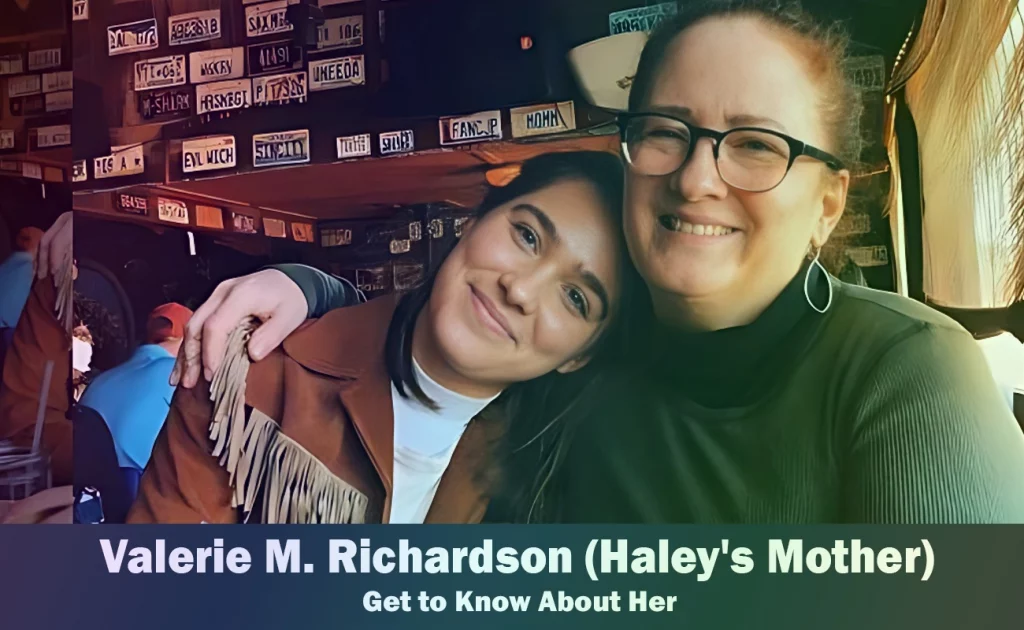
Valerie M. Richardson is an American journalist and author. She has served as a national correspondent for The Washington Times since the early 2000s, covering politics, culture, and legal affairs. Her 2010 book, No More Deaths: A True Story, investigates a controversial border activist case.
How a Career in Journalism Began and Evolved
Richardson entered journalism in the late 1990s. She worked for several newspapers before joining The Washington Times. Her early reporting focused on local politics and crime. By the mid-2000s, she had shifted to national affairs. She covered the Supreme Court, religious freedom cases, and immigration enforcement. Her work often reflects a conservative and libertarian perspective. In 2010, she published No More Deaths. The book details the case of a humanitarian aid worker charged with harboring undocumented immigrants. Richardson spent months interviewing activists, law enforcement, and border residents. The book received attention from both legal scholars and immigration reform advocates. Since then, she has continued to report on border security and federal agency oversight. Background on valerie m. Background on valerie m. richardson is documented in Who Are 'White Lotus' Star Haley Lu Richardson's Parents?
| Milestone | Year | Details |
|---|---|---|
| Began journalism career | Late 1990s | Worked at local newspapers |
| Joined The Washington Times | Early 2000s | Became national correspondent |
| Published No More Deaths | 2010 | Investigation of border activist case |
| Covered 2020 election aftermath | 2020-2021 | Reported on election challenges and recounts |
Practical Takeaways from Richardson’s Reporting Style
You can learn from Richardson’s approach to investigative journalism. She relies on public records, court documents, and on-the-ground interviews. For example, in her coverage of federal agencies, she often files Freedom of Information Act requests. This method yields primary sources that others miss. When reporting on controversial topics, she presents multiple viewpoints. Her articles on transgender issues in schools include quotes from parents, teachers, and activists on all sides. To apply this, start with a clear question. Then gather documents before interviewing sources. This sequence helps you spot inconsistencies. Another tip: follow the money. Richardson’s work on pandemic mandates traced funding streams from federal grants to local enforcement. You can do the same by searching government databases. Finally, verify everything. She once told a journalism conference that she never publishes a fact without two independent sources. That rule keeps her reporting credible.
Clarifying Commonly Misunderstood Terms in Her Reporting
Richardson’s articles often use terms that confuse casual readers. One is “religious freedom.” In legal contexts, this refers to the First Amendment’s protection of religious exercise. It does not mean a right to impose beliefs on others. Another term is “sanctuary city.” This describes a jurisdiction that limits cooperation with federal immigration enforcement. It does not mean the city ignores all immigration laws. “Originalism” appears in her Supreme Court coverage. It is a method of constitutional interpretation that seeks the original public meaning of the text. Critics sometimes confuse it with strict constructionism, which is narrower. “Title IX” comes up in her education reporting. It is a federal law prohibiting sex discrimination in schools. Recent debates involve its application to transgender athletes. Understanding these terms helps readers follow her arguments. Richardson herself often defines them in her articles, but a quick reference can save time.
Insider Perspectives on Richardson’s Impact
Colleagues describe Richardson as a dogged reporter. A former editor at The Washington Times noted that she “never lets a story go.” Her coverage of the 2020 election included detailed analyses of voting machine audits. Legal experts praised her for explaining complex procedures clearly. One law professor at George Mason University said her reporting on the Supreme Court “bridges the gap between legal jargon and public understanding.” Richardson has also appeared as a commentator on Fox News. There, she offers context on breaking news. Her book No More Deaths was reviewed by the Journal of Borderlands Studies, which called it “a compelling narrative.” Critics, however, argue that her conservative leanings sometimes color her framing. A media watchdog group pointed to her coverage of transgender issues as lacking balance. Richardson responded by saying she reports facts, not advocacy. The more useful approach is to read her work alongside other sources. That gives a fuller picture of any topic.
Frequently Asked Questions
Where did Valerie M. Richardson grow up?
Richardson was born in the United States, but specific details about her childhood are not widely publicized. She has mentioned in interviews that she grew up in a family that valued reading and current events.
What is Valerie M. Richardson best known for?
She is best known for her investigative reporting on border security and her book No More Deaths. Her coverage of the Supreme Court and religious freedom cases has also gained attention.
Is it ethical for a journalist to have a clear political perspective?
Many journalists strive for neutrality, but some argue that transparency about one’s perspective builds trust. Richardson’s conservative viewpoint is evident in her choice of topics, but she maintains that she follows evidence where it leads.
How does Richardson’s reporting differ from that of mainstream outlets?
Her work often focuses on stories that receive less coverage from larger news organizations, such as religious liberty cases and immigration enforcement. She also tends to include more legal analysis than typical political reporting.
Is Valerie M. Richardson still active in journalism?
Yes, as of 2025, she continues to write for The Washington Times. Her recent articles cover education debates, transgender issues, and federal agency oversight. She also appears occasionally on television news programs.
How Richardson’s Work Connects to Broader Media Trends
Richardson’s career reflects a shift in American journalism. The rise of digital media has changed how reporters cover national issues. She adapted by writing for an online audience while maintaining print-style depth. Her articles often include embedded documents and links to primary sources. This practice aligns with the transparency movement in journalism. Readers can verify her claims directly. Another trend is the focus on niche topics. Richardson specializes in border policy and religious freedom. These subjects attract dedicated readers who seek detailed analysis. General news outlets may cover them briefly. Her sustained attention builds expertise. For aspiring journalists, this suggests a strategy: find a specific beat and own it. Richardson’s example shows that depth can build a loyal audience. She also engages with critics on social media. This direct interaction is common among modern reporters. It allows her to clarify points and correct errors quickly. However, it also exposes her to harassment. She has spoken about the challenges of online discourse. Despite this, she maintains an active presence on platforms like X (formerly Twitter).
Key Themes in Richardson’s Recent Reporting
In the past few years, Richardson has focused on several recurring themes. One is the implementation of state-level abortion laws after the Dobbs decision. She has tracked how different states enforce restrictions. Her reporting includes interviews with clinic staff and legal experts. Another theme is the debate over critical race theory in schools. She has covered school board meetings and legislative hearings. Her articles often highlight parent activism. A third theme is federal agency accountability. She has investigated the Department of Homeland Security’s handling of border encounters. She also reported on the FBI’s response to threats against school boards. These stories share a common thread: the tension between federal authority and local control. Richardson presents both sides without overt commentary. Her readers appreciate the factual grounding. She also revisits older topics. For example, she continues to follow the activists from her book. Some have faced new legal challenges. She updates their stories in occasional follow-ups. This long-term commitment distinguishes her from reporters who move from crisis to crisis.
How to Access Richardson’s Work and Stay Updated
You can find Valerie M. Richardson’s articles on The Washington Times website. The site offers a search function by author. You can also subscribe to the newspaper’s newsletter. It includes links to her latest pieces. For those interested in her book, No More Deaths is available in print and digital formats. Major online retailers carry it. Libraries may also have copies. To follow her commentary, check Fox News segments where she appears. Clips are posted on the network’s website. Richardson also maintains a professional page on LinkedIn. There, she shares links to her work and occasional thoughts on journalism. For academic researchers, her articles are indexed in databases like Nexis. This makes them useful for citation. If you want to support her reporting, consider a subscription to The Washington Times. Subscriber access removes paywalls and supports investigative journalism. Finally, you can follow her on social media. She posts links to new articles and engages with readers. Her handle is publicly listed on her author page.
How Richardson’s Work Connects to Broader Media Trends
Richardson’s career reflects a shift in American journalism. The rise of digital media has changed how reporters cover national issues. She adapted by writing for an online audience while maintaining print-style depth. Her articles often include embedded documents and links to primary sources. This practice aligns with the transparency movement in journalism. Readers can verify her claims directly. Another trend is the focus on niche topics. Richardson specializes in border policy and religious freedom. These subjects attract dedicated readers who seek detailed analysis. General news outlets may cover them briefly. Her sustained attention builds expertise. For aspiring journalists, this suggests a strategy: find a specific beat and own it. Richardson’s example shows that depth can build a loyal audience. She also engages with critics on social media. This direct interaction is common among modern reporters. It allows her to clarify points and correct errors quickly. However, it also exposes her to harassment. She has spoken about the challenges of online discourse. Despite this, she maintains an active presence on platforms like X (formerly Twitter).
Key Themes in Richardson’s Recent Reporting
In the past few years, Richardson has focused on several recurring themes. One is the implementation of state-level abortion laws after the Dobbs decision. She has tracked how different states enforce restrictions. Her reporting includes interviews with clinic staff and legal experts. Another theme is the debate over critical race theory in schools. She has covered school board meetings and legislative hearings. Her articles often highlight parent activism. A third theme is federal agency accountability. She has investigated the Department of Homeland Security’s handling of border encounters. She also reported on the FBI’s response to threats against school boards. These stories share a common thread: the tension between federal authority and local control. Richardson presents both sides without overt commentary. Her readers appreciate the factual grounding. She also revisits older topics. For example, she continues to follow the activists from her book. Some have faced new legal challenges. She updates their stories in occasional follow-ups. This long-term commitment distinguishes her from reporters who move from crisis to crisis.
How to Access Richardson’s Work and Stay Updated
You can find Valerie M. Richardson’s articles on The Washington Times website. The site offers a search function by author. You can also subscribe to the newspaper’s newsletter. It includes links to her latest pieces. For those interested in her book, No More Deaths is available in print and digital formats. Major online retailers carry it. Libraries may also have copies. To follow her commentary, check Fox News segments where she appears. Clips are posted on the network’s website. Richardson also maintains a professional page on LinkedIn. There, she shares links to her work and occasional thoughts on journalism. For academic researchers, her articles are indexed in databases like Nexis. This makes them useful for citation. If you want to support her reporting, consider a subscription to The Washington Times. Subscriber access removes paywalls and supports investigative journalism. Finally, you can follow her on social media. She posts links to new articles and engages with readers. Her handle is publicly listed on her author page.