
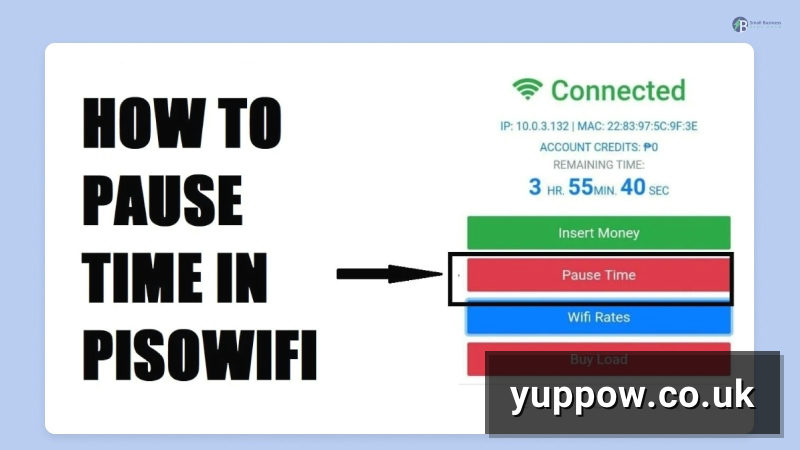
How do Piso WiFi operators stop a user’s internet session without disconnecting them? The answer lies in a feature called pause time, accessible through admin panels like PisoFi. This tool lets operators temporarily suspend internet access for specific users, often to enforce time limits or manage network load.
How Piso WiFi Operators Use Pause Time: Insights from Admin Panel Developers
Pause time is not a native Chrome browser function. It is a feature built into Piso WiFi management software. According to developers of platforms like PisoFi, the pause command is sent from the admin panel to the router or access point. The user’s device remains connected to the WiFi network, but internet traffic is blocked until the operator unpauses the session. Additional verified details are compiled on 10.0.0.1 Piso WiFİ Pause Time – Google Groups
Operators can set pause durations in minutes or hours. Some systems allow scheduling pauses during peak hours to free up bandwidth. A store owner in Manila, for example, might pause heavy video streamers between 6 PM and 9 PM when demand is highest.
The feature emerged around 2015 as coin-operated WiFi grew popular in the Philippines. Early systems required manual intervention. By 2023, mobile apps began offering pause time controls, letting operators manage sessions from their phones.
Pause time logs are recorded for billing and usage tracking. This helps operators identify which users consume the most data and adjust pricing or limits accordingly.
| Feature | Description |
|---|---|
| Pause Time | Temporarily suspends internet access for a user without disconnecting WiFi |
| Time Reset | Restarts the session timer, giving the user a fresh time allotment |
| Bandwidth Limit | Caps data speed or total data per session |
| Multi-User Pause | Pauses all active sessions at once for maintenance or emergencies |
Why Pause Time Matters in the Philippines and Beyond
The Philippines is the heart of Piso WiFi. Small shops, sari-sari stores, and cafes offer coin-operated internet to customers who may not have home connections. Pause time gives operators flexibility. A customer who buys 30 minutes but needs to step out can have their session paused instead of wasted.
In other regions, similar systems appear in public WiFi hotspots in India, Indonesia, and parts of Africa. The concept adapts to local needs. In some areas, pause time is used to enforce school hours — children get internet only after classes end.
Operators report that pause time reduces disputes. Customers know exactly how much time they used. The feature also helps during technical issues. If a router overheats, the operator can pause all users, fix the problem, and resume without losing revenue.
We see a clear pattern: pause time turns a rigid pay-per-minute model into a more user-friendly service. It is a small feature with big impact on customer satisfaction.
Who Benefits from Pause Time and Who Faces Drawbacks
Operators benefit most. They can manage bandwidth without cutting off paying customers. A cafe owner might pause a user who is hogging the connection for large downloads, then unpause them after peak hours. This keeps other customers happy.
Users also gain. A student who runs out of time mid-research can ask the operator for a pause extension. Some systems allow users to request pause via a message to the admin. The weaker claim here is that pause time always helps users — in practice, some operators abuse it to push upsells or force recharges.
Heavy users lose out. If an operator pauses them during peak times, they cannot stream or game. But from the operator’s perspective, this is fair. One user should not degrade the experience for ten others.
Hardware vendors and software developers also benefit. The feature differentiates their products in a competitive market. PisoFi and similar platforms highlight pause time as a key selling point.
Real-World Impact: How Pause Time Changed Public WiFi Culture
In a 2023 survey of Piso WiFi operators in Quezon City, many said pause time reduced arguments over time limits. Before the feature, customers would claim they had unused time after a disconnection. Now logs show exactly when a session was paused and resumed.
Some operators use pause time creatively. One store in Cebu offers a “study mode” — students get a 10-minute pause every hour to review notes. This builds loyalty and repeat business.
Audience reaction has been mixed. Online forums like the Google Groups discussion for Piso WiFi operators show praise for the feature but also complaints about bugs. Some users report that pause time does not always resume correctly, forcing them to buy a new session.
Cultural relevance is clear. In areas where internet access is a daily expense, pause time gives users control over their spending. It is a practical tool born from real-world needs, not a corporate feature list.
Frequently Asked Questions
What is a good alternative to using pause time for managing WiFi sessions?
Some operators use time reset instead, which restarts the session timer from zero. Others prefer bandwidth throttling, which slows down heavy users rather than pausing them. Each method has trade-offs depending on the operator’s goals.
Is it legal for Piso WiFi operators to pause a user’s session without warning?
In most jurisdictions, yes, as long as the terms of service are displayed. Operators typically post rules near the payment terminal. Pausing without notice could violate consumer protection laws if it is done arbitrarily, but the practice is generally accepted.
Who is responsible for developing pause time features in Piso WiFi systems?
Software developers and companies like PisoFi, WiFiPiso, and similar platforms build these features. They work with router firmware and custom admin panels. The exact developers are often small teams or individuals in the Philippines.
When did pause time become a standard feature in Piso WiFi management?
Pause time started appearing around 2017-2018 as Piso WiFi software matured. By 2020, most major platforms included it. Mobile app support arrived in 2023, making it easier for operators to pause sessions remotely.
What is pause time best known for in the context of public WiFi?
It is best known for giving operators granular control over user sessions without disconnecting devices. This reduces customer complaints and helps manage limited bandwidth in high-traffic hotspots like sari-sari stores and cafes.
Technical Implementation: How Pause Time Works Under the Hood
Pause time relies on a combination of router firmware and admin panel software. When an operator triggers a pause, the admin panel sends a command to the router’s access control list (ACL). The ACL then blocks all traffic from the user’s device except for local network communication. The device remains associated with the WiFi access point, so the user sees a connected status but cannot reach the internet.
Different router brands implement this differently. MikroTik routers, common in Piso WiFi setups, use firewall rules to drop packets from paused users. TP-Link and Ubiquiti devices offer similar capabilities through their own management interfaces. The admin panel abstracts these differences, providing a unified pause button for the operator.0.0.
Session data is stored in a database on the admin server or locally on the router. When a session is paused, the database records the pause start time and the remaining time. Upon unpause, the remaining time is restored. This ensures that users do not lose paid time during a pause.
Some advanced systems integrate with payment terminals. When a user inserts coins, the terminal communicates with the admin panel to create or resume a session. Pause time can also be triggered automatically based on data usage thresholds set by the operator.
Common Challenges and Troubleshooting Tips for Pause Time
Operators occasionally face issues with pause time. One common problem is that a paused session does not resume correctly. This often happens when the router’s firmware is outdated or when the admin panel loses sync with the router. Restarting the router or refreshing the admin panel usually resolves it.
Another challenge is users bypassing pause time by disconnecting and reconnecting to the WiFi. Some systems handle this by tying the session to the device’s MAC address. When the device reconnects, the system checks the database and applies the pause state. However, MAC address spoofing can circumvent this, though it is rare among typical users.
Network congestion can also cause delays in pause commands. If the router is overloaded, it may take several seconds for the pause to take effect. Operators are advised to use quality routers with sufficient processing power for the number of concurrent users.
Software bugs in the admin panel can lead to inconsistent behavior. Developers regularly release updates to fix these issues. Operators should keep their systems updated to minimize problems.
Future Trends: What’s Next for Pause Time in Piso WiFi Systems
As Piso WiFi technology evolves, pause time features are becoming more sophisticated. Some developers are experimenting with AI-driven pause scheduling that automatically detects bandwidth hogs and pauses them during peak hours without operator intervention. This could reduce manual workload for store owners.
Integration with mobile payment apps is another trend. Users might soon be able to pause their own sessions via a smartphone app, giving them more control over their internet usage. This would shift some responsibility from operators to customers, potentially reducing disputes further.
Cloud-based management platforms are also emerging. Instead of relying on a local router, operators can manage pause time from anywhere via the cloud. This is especially useful for chains of Piso WiFi stations across multiple locations.
Security improvements are on the horizon. Newer systems encrypt pause commands to prevent unauthorized users from tampering with sessions. This protects both operators and legitimate customers from malicious interference.
Comparing Pause Time Across Different Piso WiFi Software Providers
PisoFi, one of the leading platforms, offers pause time as a standard feature with granular controls. Operators can pause individual users, groups, or all sessions at once. The interface is mobile-friendly, allowing management from a smartphone.
WiFiPiso, another popular provider, includes pause time but with fewer customization options. Their system focuses on simplicity, making it ideal for small store owners who want basic functionality without complexity.
Some open-source solutions like CoovaChilli also support pause time through custom scripts. These require more technical knowledge but offer flexibility for operators who want to tailor the feature to their specific needs.
Each provider handles session resumption differently. PisoFi automatically resumes after the set pause duration, while WiFiPiso requires manual unpause. Operators should choose based on their preferred workflow.