
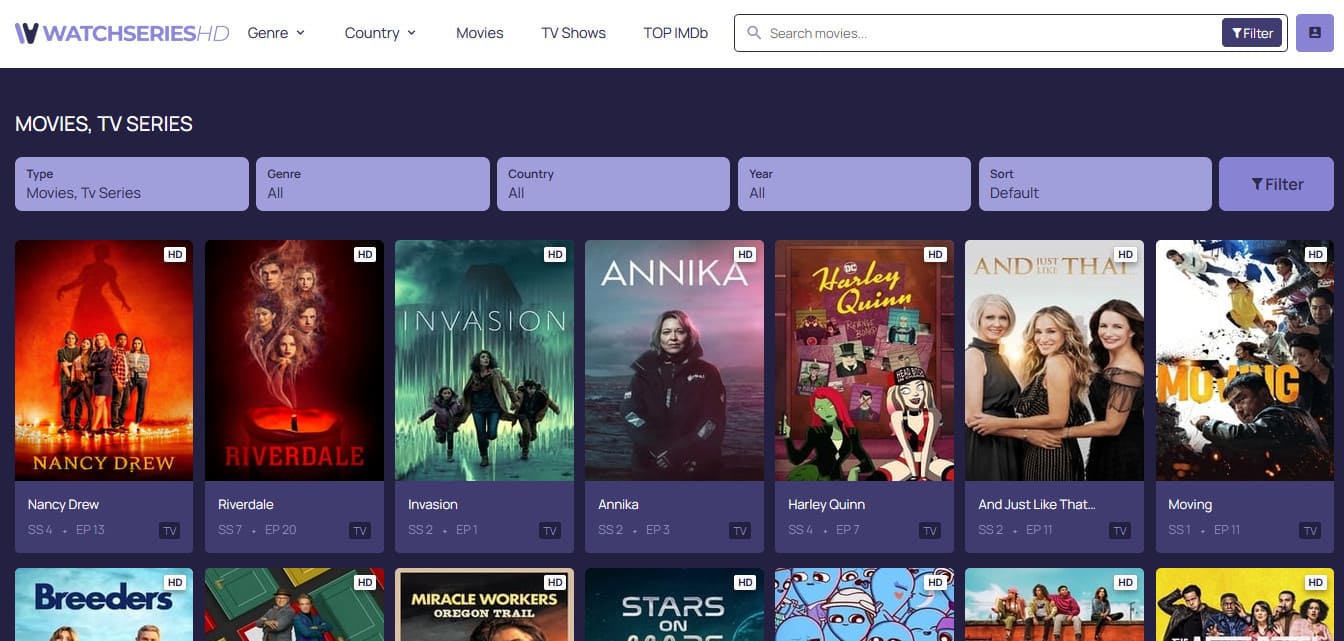
In 2009, a new website appeared offering free links to TV shows and movies shortly after they aired. WatchSeries quickly became a go-to destination for viewers who wanted to watch episodes without paying. But the site’s unauthorized distribution model put it on a collision course with copyright holders and internet regulators.
WatchSeries does not host any video files itself. Instead, it aggregates links from third-party streaming services like Openload and Streamango. This structure has allowed the site to persist for over a decade, despite repeated legal actions and domain seizures. However, using WatchSeries free streaming comes with significant risks, including malware exposure and potential legal consequences. Background on watchseries free is documented in The 23 Best WatchSeries Alternatives in 2026 – PrivacySavvy
What Is the Current Status of WatchSeries and What Comes Next
As of 2024, several WatchSeries domains remain active, but they frequently change URLs to evade shutdowns. The site has used addresses like watchseries.ag, watchseries.cr, and many others over the years. This cat-and-mouse game with authorities is a hallmark of piracy websites.
Major copyright enforcement groups, including the Motion Picture Association of America (MPAA), have repeatedly targeted WatchSeries. In 2016, the UK High Court ordered internet service providers to block access to WatchSeries domains. Similar blocks have been implemented in Australia and India. Despite these efforts, the site’s operators often launch new domains or redirect users to mirror sites.
The rise of legal streaming services like Netflix, Hulu, and Disney+ has reduced the demand for free piracy sites. Yet WatchSeries still attracts a loyal user base, particularly for content that is not available on major platforms in certain regions. The site’s future likely involves continued domain hopping and increased reliance on user-generated links.
Authorities have also seized some WatchSeries domains. For example, U.S. Immigration and Customs Enforcement (ICE) has taken control of certain domains as part of anti-piracy operations. However, the decentralized nature of the site makes it difficult to shut down permanently.
How WatchSeries Works: Behind the Scenes of a Piracy Aggregator
WatchSeries operates as a directory of links rather than a host of content. Users visit the site, search for a show or movie, and are presented with multiple streaming options. These links point to external servers where the actual video files are stored.
The site relies on user submissions and automated scraping to populate its database. Anyone can submit a link, which is then reviewed and added to the listing. This crowdsourced model keeps the site updated with the latest episodes, often within hours of their original broadcast.
WatchSeries generates revenue through aggressive advertising. Pop-up ads, banner ads, and misleading download buttons are common. Some ads lead to malicious websites that attempt to install malware or steal personal information. The site also uses affiliate links to earn commissions from shady services.
The technical infrastructure of WatchSeries is designed for resilience. The site’s operators communicate through encrypted channels and accept cryptocurrency donations to fund operations.
Many clones and imitators have sprung up, using similar names like WatchSeriesHD or WatchSeriesOnline. These sites often have the same look and feel but may be run by different groups. Users should be cautious, as some clones are even more dangerous, containing drive-by downloads or phishing forms.
Common Misconceptions About WatchSeries Free Streaming Clarified
One widespread misconception is that WatchSeries is legal because it does not host files. In reality, linking to unauthorized copies of copyrighted material is illegal in most jurisdictions. Courts have consistently ruled that such aggregation sites contribute to copyright infringement.
Another myth is that using WatchSeries is safe if you have antivirus software. While antivirus can catch some threats, the site’s pop-up ads often use social engineering to trick users into disabling protections. Malware can also be delivered through fake video players that require browser extensions.
Some users believe that WatchSeries is the original site that started the trend. While it was an early player, many similar sites existed before and after. The name “WatchSeries” has become generic, with dozens of unrelated sites using it to attract traffic.
There is also a belief that the site is run by a single group. In reality, the domain changes and operational differences suggest multiple operators may be involved. Some domains may be run by former affiliates or copycats.
Finally, some think that using a VPN makes WatchSeries usage completely anonymous and legal. While a VPN can hide your IP address, it does not make the act of streaming copyrighted content legal. Copyright holders can still send takedown notices to your ISP, and in some countries, fines or legal action are possible.
Regional Relevance and Reception of WatchSeries Around the World
WatchSeries has seen varying levels of popularity and legal response across different regions. In the United Kingdom, the High Court’s 2016 blocking order was a landmark case. ISPs were required to block several domains, and the site’s traffic from the UK dropped significantly.
In Australia, the site has been blocked by major ISPs following court orders obtained by film and television studios. Despite blocks, many users access the site via VPNs or alternative DNS services. The Australian government has also targeted the site through its anti-piracy measures.
India has also implemented blocks on WatchSeries domains. The country’s strict copyright laws and the efforts of industry bodies like the Indian Motion Picture Producers’ Association have led to widespread blocking. However, the site remains accessible through mirror domains.
In the United States, WatchSeries has been targeted by ICE and the MPAA. Some domains have been seized, and the site is listed on piracy watchlists. However, enforcement is complicated by the site’s offshore hosting and frequent domain changes.
In regions with limited access to legal streaming services, such as parts of Southeast Asia and Africa, WatchSeries remains popular. Users often turn to the site because local libraries are small or expensive. This demand fuels the site’s continued operation despite global pressure.
| Region | Legal Status | Enforcement Action |
|---|---|---|
| United Kingdom | Illegal (blocked) | High Court order in 2016 |
| Australia | Illegal (blocked) | ISP blocking by court order |
| India | Illegal (blocked) | Blocks by industry bodies |
| United States | Illegal (domain seizures) | ICE and MPAA actions |
| Southeast Asia | Generally illegal but accessible | Limited enforcement |
Frequently Asked Questions
What is WatchSeries and how does it work?
WatchSeries is a website that provides free links to stream TV shows and movies without authorization. It does not host files itself but aggregates links from third-party servers like Openload. Users search for content and click on available links to watch.
Why did WatchSeries become so popular despite being illegal?
WatchSeries gained popularity because it offered recent episodes shortly after they aired, often for free. This convenience attracted viewers who could not afford or access legal streaming services. The site’s simple interface and large library also contributed to its appeal.
When did authorities first start blocking WatchSeries domains?
The first major blocking action occurred in 2016 when the UK High Court ordered ISPs to block access to WatchSeries domains. This was followed by similar orders in Australia and India. The site has been on piracy watchlists since its early days.
What is WatchSeries best known for in the streaming landscape?
WatchSeries is best known as one of the longest-running free streaming aggregation sites. It pioneered the model of linking to external hosts and has inspired many clones. Its resilience against legal challenges is also notable.
How many domain names has WatchSeries used over the years?
WatchSeries has used dozens of domain names since its launch around 2009. Examples include watchseries.ag, watchseries.cr, and watchseriesonline. The exact number is unknown due to frequent changes and mirror sites.
Alternatives to WatchSeries: Legal and Safe Streaming Options
For viewers seeking reliable access to TV shows and movies without legal risks, several legitimate alternatives exist. Subscription-based services like Netflix, Amazon Prime Video, and Disney+ offer extensive libraries with high-quality streams. These platforms invest heavily in original content and licensed programming.
Free ad-supported services such as Tubi, Pluto TV, and Peacock provide legal access to a wide range of content. These platforms generate revenue through advertisements rather than subscriptions. Users can watch thousands of movies and shows without paying, though the selection may include older titles or limited episodes.
Network-specific apps like ABC, NBC, and BBC iPlayer offer free streaming of recent episodes for users in certain regions. These services are often supported by ads and require registration. They provide a safe way to catch up on popular shows shortly after they air.
Public libraries in many countries offer free digital lending services such as Kanopy and Hoopla. Cardholders can stream movies and documentaries at no cost. These platforms focus on independent films, classic cinema, and educational content.
YouTube also hosts a growing library of free movies and TV episodes, often with ad breaks. Some channels offer full seasons of older shows legally. This option is particularly useful for viewers who want to avoid subscription fees.
Security Risks and How to Protect Yourself When Streaming
Using sites like WatchSeries exposes users to various security threats. Malware, ransomware, and phishing attacks are common through deceptive ads and fake download buttons. Even with antivirus software, users may fall victim to social engineering tactics.
One common threat is the fake video player that requires a browser extension to play content. These extensions often contain malware that can steal personal data or hijack the browser. Users should never install unknown extensions from streaming sites.
Pop-up ads on piracy sites frequently lead to malicious websites. These sites may attempt to trick users into downloading fake software updates or revealing credit card information. Using an ad blocker can reduce exposure but does not eliminate all risks.
Another risk is the potential for legal action. While individual streaming for personal use is rarely prosecuted, copyright holders can send takedown notices to ISPs. In some countries, repeated infringement can lead to fines or legal notices.
To protect themselves, users should consider using a reliable VPN service that does not keep logs. A VPN encrypts internet traffic and hides the user’s IP address, making it harder for third parties to track activity. However, a VPN does not make illegal streaming legal.
Keeping software updated is also crucial. Operating system and browser updates often include security patches that protect against known vulnerabilities. Users should also avoid clicking on suspicious links and use strong, unique passwords for all accounts.
The Impact of Piracy on the Entertainment Industry
Piracy sites like WatchSeries have a measurable impact on the entertainment industry. Revenue losses from unauthorized streaming affect everyone from major studios to independent filmmakers. According to some estimates, piracy costs the global film industry billions of dollars annually.
Smaller production companies and independent creators are particularly vulnerable. They rely on box office revenue and legal streaming royalties to fund future projects. When viewers choose free piracy sites, these creators lose income that could support new content.
Piracy also influences release strategies. Studios have experimented with same-day streaming releases to combat piracy. The COVID-19 pandemic accelerated this trend, with many films debuting on streaming platforms simultaneously with or even before theatrical releases.
On the other hand, some studies suggest that piracy can have a promotional effect. Viewers who discover a show through piracy may later subscribe to legal services to access additional seasons or related content. This phenomenon is known as the sampling effect.
Despite these nuances, the consensus among industry groups is that piracy undermines the economic viability of content creation. Efforts to combat piracy include legal action, technological protection measures, and public awareness campaigns.
How to Identify and Avoid WatchSeries Mirror Sites and Clones
WatchSeries mirror sites and clones can be difficult to distinguish from the original. Many use similar logos, color schemes, and domain names. Users should be cautious of sites that ask for personal information or require registration.
One telltale sign of a dangerous clone is an excessive number of pop-up ads. Legitimate streaming sites, even piracy aggregators, tend to have a moderate ad load. Clones often bombard users with intrusive ads to maximize revenue quickly.
Another red flag is the presence of fake download buttons or misleading play buttons. These are designed to trick users into clicking on malicious links. Hovering over a button can reveal the true destination URL in the browser status bar.
Users should also check the domain age and registration details. Tools like WHOIS lookup can provide information about when a domain was created.
Reading user reviews and forum discussions can help identify trustworthy mirrors. Communities on Reddit and other platforms often share warnings about dangerous sites. However, users should verify information from multiple sources before trusting any recommendation.
Legal Consequences of Using WatchSeries: What Users Should Know
While individual users are rarely prosecuted for streaming on WatchSeries, legal risks exist. In some countries, copyright holders can send cease-and-desist letters or demand fines. The legal landscape varies significantly by jurisdiction.
In Germany, for example, copyright holders frequently send demand letters to users identified through their IP addresses. These letters often demand payment of several hundred euros. Users who ignore them may face lawsuits.
In the United States, the Copyright Alert System was a voluntary program that sent warnings to users. Although the program ended in 2017, ISPs still forward takedown notices. Repeated infringement can lead to account suspension or legal action.
In the United Kingdom, the Digital Economy Act allows courts to order ISPs to block piracy sites. While individual users are not typically targeted, the law provides for potential fines. The focus remains on site operators rather than casual viewers.
In countries with less developed copyright enforcement, legal risks for users are minimal. However, as international cooperation increases, even users in these regions may face consequences. The safest approach is to use legal streaming services.
How WatchSeries Compares to Other Free Streaming Aggregators
WatchSeries is not the only free streaming aggregator on the internet. Sites like Putlocker, 123Movies, and Fmovies operate on similar models. Each has its own strengths and weaknesses in terms of content library, user interface, and reliability.
Putlocker, one of the oldest competitors, offers a vast collection of movies and TV shows. It has faced similar legal challenges and domain changes. 123Movies gained massive popularity before being shut down by authorities in 2018, though clones persist.
Fmovies is known for its clean design and fast streaming links. It uses a similar aggregation model but often has fewer ads than WatchSeries. However, Fmovies also faces frequent domain changes and blocking orders.
What sets WatchSeries apart is its longevity and dedicated user base. While many competitors have come and gone, WatchSeries has adapted by constantly shifting domains and relying on user submissions. This resilience has made it a staple in the piracy ecosystem.
Another difference is the focus on TV series. WatchSeries originally specialized in episodes, while sites like Putlocker emphasize movies. This niche focus helped WatchSeries build a loyal following among binge-watchers.