
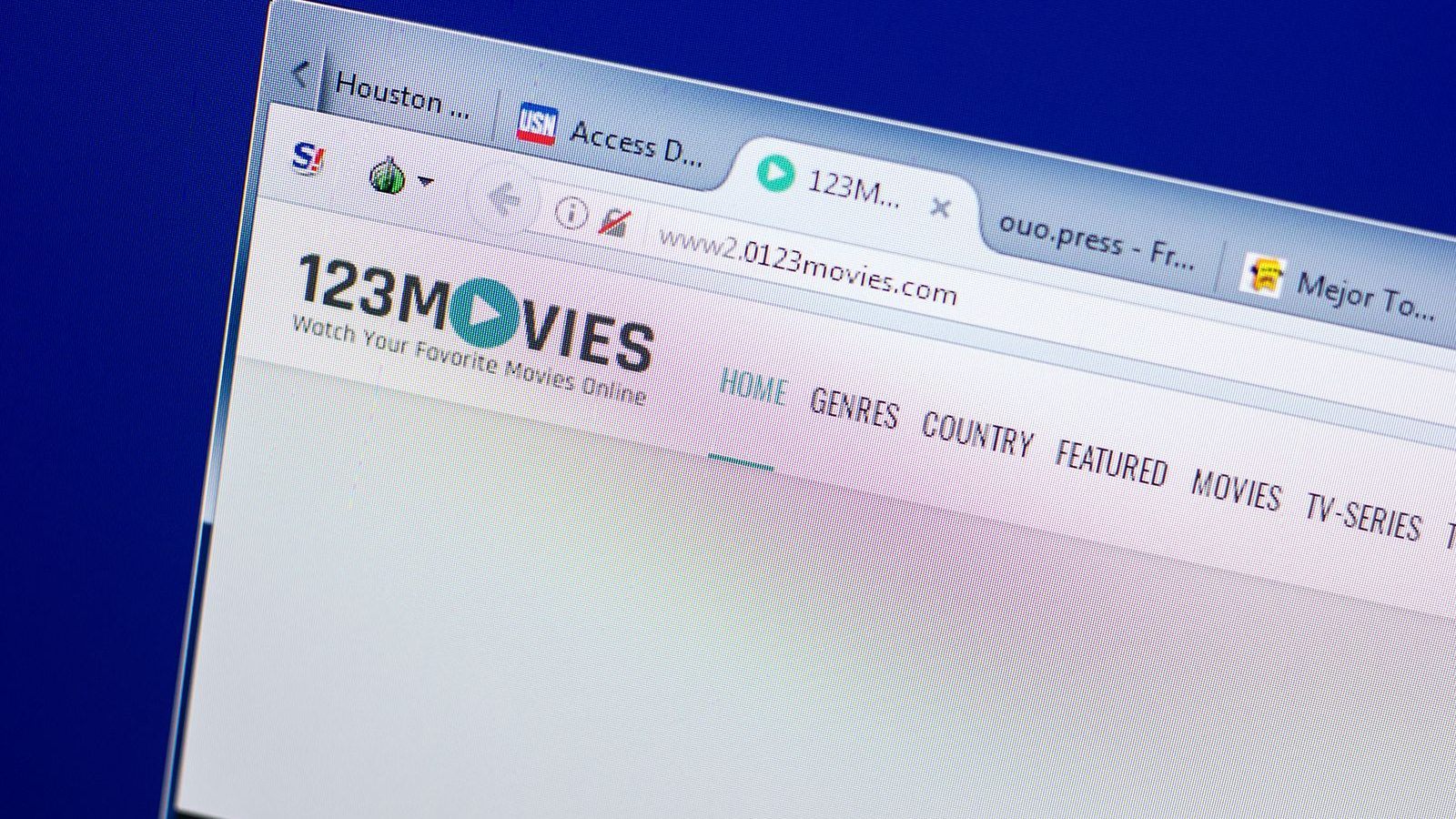
What was 123.movies, and why did it become one of the most visited piracy websites in the world? Launched around 2015, 123.movies offered free access to thousands of copyrighted movies and TV shows, attracting over 100 million monthly visitors at its peak. The site operated under multiple domain names, including 123movies and 123movieshub, before being shut down by Vietnamese authorities in 2018.
How 123.movies Operated and Who Ran It
123.movies functioned as a streaming portal that aggregated links to pirated content hosted on third-party servers. Users could search for films and television series, then watch them directly in a browser without registration. The site generated revenue through aggressive advertising, including pop-ups and banners, many of which led to malware or phishing pages. Public records covering this story are gathered in 123Movies
The operators behind 123.movies remained largely anonymous, but investigations linked them to a network of similar piracy sites such as GoMovies and Putlocker. According to some sources, the same group managed dozens of domains, rotating them to evade takedown notices. The site’s infrastructure relied on hosting providers in jurisdictions with lax copyright enforcement, making legal action difficult.
In 2018, the U.S. Trade Representative listed 123.movies as a notorious piracy market, citing its massive scale and impact on the film industry. The site’s popularity surged during the rise of cord-cutting, as viewers sought free alternatives to subscription services like Netflix and Hulu. However, the operators faced increasing pressure from international law enforcement. Public records covering this story are gathered in Official site
Vietnamese authorities, cooperating with U.S. agencies, eventually shut down the original 123.movies in 2018. Some reports suggest the group moved on to other ventures, while others believe they continued running mirror sites.
Global Reach and Audience Demographics
123.movies attracted a worldwide audience, with significant traffic from the United States, India, Brazil, and Southeast Asia. The site’s content library included Hollywood blockbusters, Bollywood films, and popular TV series, often available within hours of official release. This broad appeal made it a go-to destination for users who could not afford or access legitimate streaming services.
The platform’s ease of use and lack of registration barriers contributed to its rapid growth. Unlike some piracy sites that required torrent downloads, 123.movies offered instant streaming, lowering the technical barrier for casual users. This convenience, however, came with risks: many visitors encountered intrusive ads, fake download buttons, and potential malware infections.
Industry groups estimated that 123.movies caused significant revenue losses for copyright holders, though exact figures remain disputed. The Motion Picture Association of America (now the Motion Picture Association) repeatedly called for stronger enforcement against the site. In response, internet service providers in several countries blocked access to 123.movies domains, but users often circumvented blocks using VPNs or proxy sites.
The site’s popularity also highlighted the demand for affordable streaming options in developing markets. While piracy is illegal, some analysts argue that the success of 123.movies reflected gaps in legal services, such as high subscription costs or limited content availability. This debate continues as streaming platforms expand globally.
Current Status and Ongoing Clone Threats
Although the original 123.movies was shut down in 2018, numerous clone and mirror sites continue to operate under the same name. As of 2024, a simple search for “123movies” yields dozens of active domains, many of which claim to be the official successor. These sites often host malware, collect user data, or serve intrusive ads, posing risks to visitors.
In 2021, the Alliance for Creativity and Entertainment (ACE) targeted remaining 123.movies domains, securing court orders to seize or redirect them. ACE, a coalition of major studios and streaming services, has been active in combating piracy worldwide. Despite these efforts, new clones appear regularly, often hosted on offshore servers or using decentralized technologies.
Law enforcement agencies continue to monitor the situation. In 2023, Vietnamese police arrested several individuals linked to a piracy ring that operated sites similar to 123.movies. However, the original operators have never been publicly identified or charged. The cat-and-mouse game between authorities and piracy sites shows no signs of ending.
For users, accessing 123.movies clones carries legal and security risks. Many jurisdictions impose fines or penalties for streaming copyrighted content, and the sites themselves may infect devices with ransomware or spyware. Experts recommend using legitimate streaming services or library-based platforms instead.
Timeline of Key Events in the 123.movies Saga
The story of 123.movies spans several years, marked by rapid growth, legal battles, and persistent aftereffects. Below is a timeline of major milestones.
| Year | Event |
|---|---|
| 2015 | 123.movies launches, quickly gaining traction among piracy users. |
| 2017 | Site reaches peak traffic, reportedly over 100 million monthly visitors. |
| 2018 | U.S. Trade Representative lists 123.movies as a notorious piracy market. |
| 2018 | Vietnamese authorities shut down the original site with U.S. cooperation. |
| 2021 | ACE targets remaining 123.movies domains, securing court-ordered seizures. |
| 2023 | Vietnamese police arrest individuals linked to related piracy operations. |
This timeline illustrates the persistent nature of online piracy. Despite major takedowns, the 123.movies brand remains active through clones, and enforcement efforts continue to evolve.
Frequently Asked Questions
Where was 123.movies based?
The original 123.movies was operated by individuals believed to be based in Vietnam, though the site used servers in multiple countries to evade detection. Vietnamese authorities eventually shut it down in 2018.
What is 123.movies best known for?
123.movies is best known for being one of the largest illegal streaming sites, offering free access to copyrighted movies and TV shows. It attracted over 100 million monthly visitors before its shutdown.
Who is behind 123.movies?
Investigations suggest they were part of a network running similar piracy sites like GoMovies and Putlocker.
When did 123.movies get shut down?
The original 123.movies was shut down in 2018 after a coordinated effort between Vietnamese authorities and U.S. law enforcement agencies.
Why did 123.movies become so popular?
123.movies gained popularity due to its vast library, ease of use, and free access to new releases. It filled a gap for users who could not afford or access legitimate streaming services.
Legal and Ethical Implications of Using 123.movies
Accessing 123.movies or its clones raises significant legal concerns. In most countries, streaming copyrighted content without authorization is illegal, even if the user does not download the file. Courts in the United States, the United Kingdom, and the European Union have ruled that temporary copies made during streaming can constitute infringement. Users may face civil lawsuits or, in rare cases, criminal charges, though enforcement against individual streamers is uncommon.
Beyond legality, there are ethical considerations. Piracy deprives creators, distributors, and actors of revenue, potentially impacting future productions. The film industry employs millions worldwide, and widespread piracy can lead to reduced budgets for new projects. Some argue that piracy also serves as a market signal, indicating demand for more affordable or accessible legal options. However, this does not justify the unauthorized use of copyrighted material.
Internet service providers in several countries are required to block access to piracy sites like 123.movies. In the UK, for example, courts have issued orders forcing ISPs to block dozens of domains associated with the site. Similar measures exist in Australia, India, and parts of Europe. Users who attempt to bypass these blocks using VPNs or proxies may violate their ISP’s terms of service, though enforcement varies.
Educational campaigns by industry groups aim to reduce piracy by highlighting its risks. The Motion Picture Association runs initiatives to inform the public about the dangers of malware and legal consequences. Despite these efforts, the convenience of free streaming continues to attract users, especially in regions where legal services are expensive or limited.
How 123.movies Influenced the Streaming Landscape
The rise of 123.movies coincided with a shift in consumer behavior toward online streaming. As broadband internet became more widespread, users increasingly abandoned traditional TV and physical media. Legal services like Netflix and Hulu were growing, but their catalogs varied by region, and subscription costs added up. 123.movies offered a single, free platform with a vast selection, accelerating the cord-cutting trend.
In response to piracy, legitimate streaming services have adapted. Many now offer ad-supported free tiers, such as Peacock and Pluto TV, to capture budget-conscious viewers. Others have reduced subscription prices in developing markets or introduced mobile-only plans. The success of 123.movies demonstrated that demand for affordable streaming was high, pushing the industry to innovate.
Some analysts credit piracy sites like 123.movies with indirectly pressuring studios to release content simultaneously worldwide. In the past, theatrical releases in different countries could be months apart, fueling piracy. Today, many studios aim for day-and-date releases or shorter windows, reducing the incentive to seek illegal copies. However, this shift is also driven by changing distribution models and the growth of streaming platforms.
The legacy of 123.movies is complex. While it caused financial harm to the entertainment industry, it also highlighted gaps in the legal market. The site’s user-friendly interface set a standard for convenience that legal services now strive to match. As the streaming wars continue, the lessons from 123.movies remain relevant for both content creators and consumers.
Technical Infrastructure and Security Risks
123.movies relied on a distributed network of third-party servers to host its content. These servers were often located in countries with weak copyright laws, such as Russia, Ukraine, and the Netherlands. The site itself acted as a directory, embedding video players from these external sources. This architecture made it difficult for authorities to shut down the entire operation, as taking down one server merely shifted traffic to another.
Security researchers have analyzed the risks associated with 123.movies clones. Many of these sites contain malicious code that can infect visitors with malware. Common threats include ransomware, which locks files until a ransom is paid, and spyware that steals personal information. Some clones also use cryptocurrency miners that hijack the user’s computing power without consent. Even legitimate-looking ads on these sites can redirect to phishing pages.
Users who accessed 123.movies often encountered fake download buttons or pop-ups claiming their device was infected. Clicking these could lead to unwanted software installations or financial scams. The operators profited from these deceptive practices, earning revenue per click or per install. This business model is common among piracy sites, making them not only illegal but also dangerous for users.
To protect themselves, experts advise using ad blockers and antivirus software when browsing any site. However, the safest approach is to avoid piracy sites altogether. Legal streaming services invest in security and do not expose users to such risks. For those concerned about privacy, using a VPN with a no-logs policy can help, but it does not eliminate the legal risks of accessing copyrighted content.
Alternatives to 123.movies for Legal Streaming
For users seeking free or low-cost alternatives to 123.movies, several legal options exist. Many streaming platforms offer ad-supported tiers that allow viewers to watch content without a subscription. Services like Tubi, Pluto TV, and Peacock’s free tier provide thousands of movies and TV shows, though they include commercial breaks. These platforms are funded by advertising and operate legally, ensuring creators receive compensation.
Public libraries also offer digital lending services such as Kanopy and Hoopla. With a library card, users can stream a curated selection of films, documentaries, and educational content for free. These services often include critically acclaimed independent films and classic cinema, providing a diverse catalog without piracy risks. Availability varies by region, but the model is growing in popularity.
Another option is to use free trials from subscription services like Netflix, Hulu, or Disney+. While these trials are temporary, they allow users to explore content legally before committing to a payment. Some services also offer discounted plans for students or bundled packages with other platforms. Rotating through trials can be a practical way to access new releases, though it requires managing multiple accounts.
For those willing to pay a small fee, rental services like Amazon Prime Video, Apple TV, and Google Play Movies offer individual titles for a few dollars. This pay-per-view model is often cheaper than a full subscription and provides access to recent releases. Additionally, some networks offer free episodes of TV shows on their official websites or apps, supported by ads. These legal alternatives reduce the risks associated with piracy while supporting the entertainment industry.
Future of Piracy and Enforcement After 123.movies
The shutdown of 123.movies did not end online piracy; it merely shifted the landscape. New sites have emerged, often using decentralized technologies like peer-to-peer streaming or blockchain to evade takedowns. Some platforms now operate on the dark web, making them harder to track. Law enforcement agencies are adapting by collaborating internationally and using advanced tracking methods, but the cat-and-mouse game continues.
Artificial intelligence is playing an increasing role in both piracy and enforcement. AI tools can automatically detect and remove copyrighted content from platforms, but they can also be used to generate fake or altered versions that bypass filters. Some piracy sites now use AI to create unique video fingerprints that avoid detection. This technological arms race is likely to intensify in the coming years.
Consumer behavior also influences the future of piracy. As legal streaming services expand their catalogs and reduce prices, the incentive to use illegal sites diminishes. However, in regions with limited internet infrastructure or high subscription costs, piracy remains a common workaround. Efforts to provide affordable legal options in developing markets are crucial to reducing piracy rates globally.
Ultimately, the story of 123.movies serves as a cautionary tale about the challenges of digital copyright enforcement. While the site is gone, its legacy persists through clones and the ongoing debate over access to content. The entertainment industry continues to adapt, but the demand for free, convenient streaming shows no signs of disappearing.
How 123.movies Shaped Anti-Piracy Strategies
The takedown of 123.movies marked a turning point in anti-piracy enforcement. Prior to its shutdown, authorities often struggled to coordinate across borders. The success of the 2018 operation demonstrated that international cooperation could yield results. Agencies like the U.S. Department of Homeland Security and Vietnamese police shared intelligence, leading to the seizure of servers and domains. This model has since been applied to other major piracy networks.
Industry groups also refined their tactics after 123.movies. The Alliance for Creativity and Entertainment, formed in 2017, expanded its focus from targeting individual sites to disrupting the entire ecosystem. This includes pursuing hosting providers, payment processors, and advertisers that support piracy. By cutting off revenue streams, ACE aims to make piracy less profitable. The 123.movies case provided a blueprint for these efforts.
However, critics argue that enforcement alone is insufficient. They point out that new clones appear faster than authorities can shut them down. Some advocate for legal reforms that would make streaming services more accessible globally, reducing the demand for piracy. The debate between enforcement and market-based solutions continues to shape policy discussions.
For now, the legacy of 123.movies lives on in both the piracy underground and the anti-piracy playbook. The site’s rise and fall offer lessons for all stakeholders in the digital content ecosystem.