
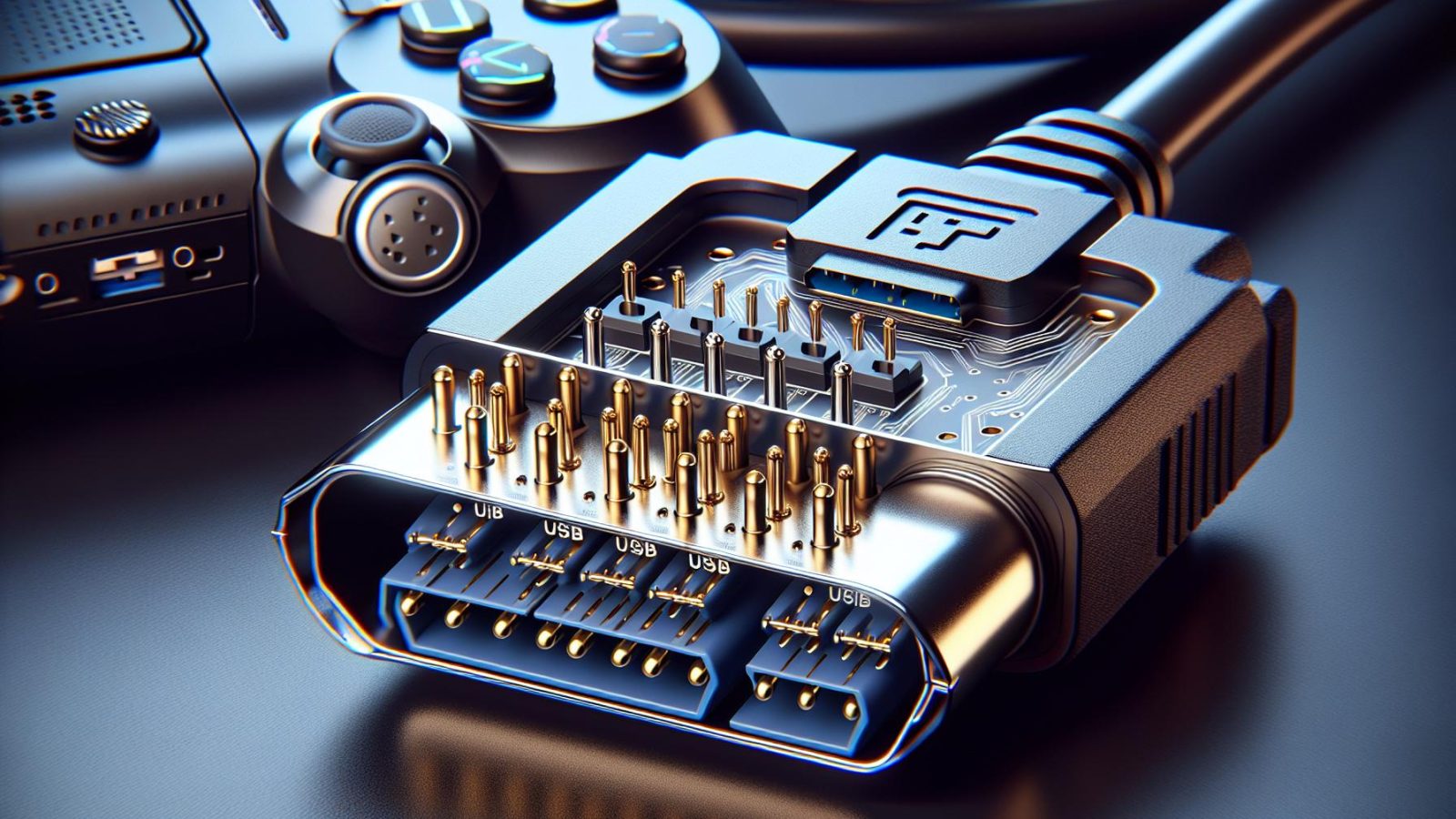
The connector HSSGamePad is a software utility that bridges physical game controllers with Android devices, enabling touchscreen control mapping. Developed by the Chinese company HSS around 2018, it gained traction among mobile esports players for titles like PUBG Mobile and Call of Duty Mobile. The tool supports Xbox, PlayStation, and third-party gamepads, requiring USB debugging and overlay permissions to function.
How HSSGamePad Maps Controllers to Touchscreen Games
HSSGamePad works by intercepting physical controller inputs and translating them into touchscreen gestures. Users connect their gamepad via USB or Bluetooth, then launch the HSSGamePad app to configure key mappings. The interface allows dragging virtual buttons onto the screen, assigning each to a controller button or joystick axis. Profiles can be saved per game, enabling quick switching between different layouts. The software relies on Android’s accessibility service to overlay the mapping interface, which sometimes triggers antivirus warnings. According to user reports, the tool supports generic HID-compliant controllers in addition to HSS-branded gamepads. Recent updates in 2023 and 2024 improved compatibility with Android 13 and 14, addressing earlier issues with newer OS versions. A reference profile of the subject is maintained on Connector HSSGamepad: Complete Guide to Setup, Compatibility, and …
The mapping process involves several steps. First, enable USB debugging in Developer Options on the Android device. Then install the HSSGamePad APK, which is not available on official app stores and must be downloaded from third-party sites. After launching the app, grant overlay permission and connect the controller. The app detects the controller and presents a blank canvas where users can place touch points. Each touch point corresponds to a screen location that will be activated when a specific controller button is pressed. Advanced users can adjust sensitivity, dead zones, and multi-touch gestures. The tool also supports macros, allowing sequences of actions to be triggered with a single button press.
One of the key features is the ability to create multiple profiles. For example, a player might have one profile for PUBG Mobile that maps the left joystick to movement, right joystick to camera, and triggers to shooting. Another profile for Call of Duty Mobile might use different button assignments. Profiles can be exported and shared with other users, fostering a community of custom layouts. The software also includes a testing mode to verify that mappings work correctly before entering a game.
Despite its utility, HSSGamePad has limitations. It does not support all games equally; some titles detect the overlay and may ban users for using third-party tools. The developer recommends using the tool only in games that allow controller support or in private servers. Additionally, the app’s reliance on accessibility services means it can be slow to respond on older devices. Battery drain is another concern, as the overlay runs continuously while the app is active.
Regional Popularity and Reception in Southeast Asia and China
HSSGamePad found its primary audience in China and Southeast Asia, where mobile gaming dominates the esports scene. In countries like Indonesia, Thailand, and Vietnam, PUBG Mobile and Mobile Legends: Bang Bang have massive player bases, many of whom use physical controllers for a competitive edge. The tool became especially popular among players who could not afford high-end gaming phones but wanted precise controls. Local gaming communities on platforms like Facebook and Discord share profiles and troubleshooting tips.
The reception has been mixed. On one hand, users praise the tool for its flexibility and low cost compared to dedicated gaming phones. On the other hand, some report stability issues, especially after Android updates. The lack of official support from HSS beyond basic documentation means users rely on community forums for help. In China, the tool is sometimes bundled with physical HSS gamepads sold on e-commerce sites like Taobao and JD.com. The company HSS itself is known for producing mobile gaming accessories, including triggers and cooling fans, and the software serves as a value-add for their hardware.
In Southeast Asia, the tool’s popularity peaked around 2019-2020 during the height of PUBG Mobile’s esports boom. Many local tournaments allowed the use of controllers, and HSSGamePad was a common choice among participants. However, as game developers implemented stricter anti-cheat measures, some players moved to alternative solutions or switched to games with native controller support. Despite this, the tool maintains a dedicated user base, particularly among those who prefer the tactile feel of physical buttons over touchscreens.
The regional distribution of HSSGamePad is largely word-of-mouth. It is not advertised widely, and most users discover it through YouTube tutorials or gaming forums. The developer has not released official sales figures, but download counts on third-party APK sites suggest hundreds of thousands of installations. The tool’s future in these regions depends on continued compatibility with new Android versions and game updates.
Timeline of Key Developments: From 2018 to 2024
The connector HSSGamePad first appeared around 2018, coinciding with the rise of battle royale games on mobile. Early versions supported only a handful of controllers and required root access on some devices. In 2019, the developer released a major update that added Bluetooth support and a simplified mapping interface. This version eliminated the need for root access on most devices, broadening its appeal.
In 2020, as PUBG Mobile and Call of Duty Mobile introduced official controller support, HSSGamePad adapted by offering more advanced mapping options, including gyroscope integration and rapid-fire macros. The tool also began supporting third-party controllers beyond HSS’s own lineup. However, the same year saw game developers implementing detection mechanisms that could flag the overlay as cheating. HSS responded by adding a stealth mode that hid the overlay from game detection.
2021 brought compatibility issues with Android 11, which introduced stricter permissions for overlay apps. HSS released a patch that required users to grant additional permissions via ADB commands. The community created detailed guides to walk users through the process. In 2022, the tool saw a decline in updates as the developer focused on new hardware products. Nevertheless, a small update in early 2023 fixed bugs related to Android 12.
The most significant update came in late 2023, when HSS released version 3.0 with native support for Android 13 and 14. This version also introduced a new profile-sharing feature and improved latency. In 2024, the developer announced that future updates would focus on stability rather than new features, as the tool had reached a mature state. The timeline reflects a pattern of reactive updates driven by OS changes and game updates, rather than proactive innovation.
| Year | Key Development |
|---|---|
| 2018 | Initial release of HSSGamePad for Android, supporting wired controllers. |
| 2019 | Added Bluetooth support and eliminated root requirement. |
| 2020 | Introduced gyroscope mapping and stealth mode to avoid game detection. |
| 2021 | Patched for Android 11 compatibility; required ADB permissions. |
| 2023 | Version 3.0 with Android 13/14 support and profile sharing. |
Common Misconceptions About HSSGamePad Clarified
Several misconceptions surround the connector HSSGamePad. One common belief is that it is a hardware device. In reality, HSSGamePad is purely software; the physical connector is the user’s gamepad. Another misconception is that it works with any Android game without issues. While it supports many games, some titles actively block overlay apps, and users may need to use stealth mode or risk account bans. It is not a guaranteed solution for all games.
Some users think HSSGamePad requires a rooted device. This was true for early versions, but since 2019, the tool works on non-rooted devices running Android 6.0 or later. However, certain advanced features like macro recording may require root on some devices. Another myth is that the tool is malware because it requests accessibility service permissions. While the permissions are necessary for the overlay to function, the app itself is not malicious. However, because it is distributed outside official app stores, users should download it from reputable sources to avoid modified versions that could contain malware.
There is also a misconception that HSSGamePad is only for HSS-branded gamepads. In fact, it supports any HID-compliant controller, including Xbox, PlayStation, and generic Bluetooth gamepads. The name “HSSGamePad” refers to the software, not the hardware. Finally, some believe the tool is illegal or violates game terms of service. While it may violate the terms of some games, it is not illegal software. Users should check the specific game’s policy before using it in competitive play.
Frequently Asked Questions
How does HSSGamePad differ from other controller mapping apps like Octopus or Panda Gamepad?
HSSGamePad is similar to Octopus and Panda Gamepad in that it maps physical controller inputs to touchscreen controls. However, HSSGamePad is specifically designed for HSS hardware and may offer better compatibility with HSS gamepads. It also has a simpler interface compared to Octopus, which offers more advanced features like scripting. Panda Gamepad is known for its ease of use, while HSSGamePad requires more manual configuration.
When was the first version of HSSGamePad released?
The first version of HSSGamePad was released around 2018, according to community records. The tool was initially developed to accompany HSS’s first line of mobile game controllers.
Is HSSGamePad still being updated in 2024?
Yes, HSSGamePad received an update in late 2023 that added support for Android 13 and 14. As of 2024, the developer has stated that future updates will focus on stability and bug fixes rather than new features. The tool remains functional on current Android versions, but users should check for updates periodically.
How many controllers does HSSGamePad support?
HSSGamePad supports any HID-compliant controller, which includes most major brands like Xbox, PlayStation, Nintendo Switch Pro, and many third-party gamepads. The exact number is not specified, but it is designed to work with a wide range of Bluetooth and USB controllers. The tool also supports custom mappings for non-standard controllers.
Is HSSGamePad safe to use, or does it contain malware?
HSSGamePad itself is not malware, but because it is distributed outside official app stores, users should download it from trusted sources. The app requires accessibility service permissions, which can be abused by malicious apps. To stay safe, download the APK from the official HSS website or reputable mirror sites, and scan it with antivirus software before installation.
Technical Requirements and Setup Process for HSSGamePad
Setting up HSSGamePad requires several steps that vary depending on the Android device and Android version. The basic requirements include a device running Android 6.0 or later, USB debugging enabled, and the installation of the HSSGamePad APK from a trusted source. Users must also grant overlay permission and accessibility service access for the mapping interface to function. For Bluetooth controllers, pairing must be completed before launching the app. The setup process can be challenging for less technical users, as it involves navigating developer options and security settings that are typically hidden.
One of the most common issues during setup is enabling USB debugging. On Android devices, this option is located in the Developer Options menu, which must be unlocked by tapping the Build Number seven times in the About Phone settings. Once enabled, users connect their controller via USB or Bluetooth and launch HSSGamePad. The app will request permission to draw over other apps, which is necessary for the overlay. If the device runs Android 11 or later, additional permissions may be required via ADB commands, which involve connecting the device to a computer and running specific commands in a terminal.
Another technical hurdle is compatibility with different Android skins. Manufacturers like Xiaomi, Samsung, and Huawei often modify Android’s permission system, which can cause HSSGamePad to malfunction. For example, on Xiaomi devices, users must disable MIUI optimization and grant autostart permissions. On Samsung devices, the app may need to be added to the Unmonitored Apps list in the battery settings to prevent it from being killed in the background. Community forums contain device-specific guides that address these quirks.
For users who prefer a wired connection, USB OTG (On-The-Go) support is required. Most modern Android phones support OTG, but some budget models may not. Bluetooth controllers generally offer more convenience but can introduce input lag. HSSGamePad includes a latency test feature to help users choose the best connection method. The tool also supports multiple controllers simultaneously, though this is rarely used in practice.
Comparison with Alternative Controller Mapping Tools
HSSGamePad is not the only controller mapping app available for Android. Alternatives include Octopus, Panda Gamepad, and Mantis Gamepad Pro. Each has its own strengths and weaknesses. Octopus is known for its advanced scripting capabilities and support for a wide range of controllers, but it requires a subscription for full features. Panda Gamepad offers a simpler interface and is often recommended for beginners, but it lacks some advanced options like macro recording. Mantis Gamepad Pro is a newer entrant that focuses on low latency and works without root, but it has a smaller community.
HSSGamePad stands out for its tight integration with HSS hardware, though it works with any controller. It is free to use, which is a significant advantage over paid alternatives. However, its user interface is less polished than Panda Gamepad’s, and its documentation is sparse. The tool also lacks cloud sync for profiles, which Octopus offers. In terms of performance, HSSGamePad generally provides low latency, but some users report better responsiveness with Mantis Gamepad Pro on certain devices.
Another key difference is the distribution method. While Octopus and Panda Gamepad are available on the Google Play Store, HSSGamePad must be sideloaded. This makes it less accessible to casual users and raises security concerns. On the other hand, sideloading allows HSSGamePad to avoid Google’s restrictions on accessibility service usage, which have become stricter over time. This gives HSSGamePad more flexibility in its mapping capabilities.
For users who prioritize ease of use, Panda Gamepad may be a better choice. For those who need advanced features like scripting, Octopus is more suitable. HSSGamePad occupies a middle ground, offering a good balance of features and cost, especially for users who already own HSS hardware. The choice ultimately depends on the user’s specific needs and technical comfort level.
Community Support and Resources for HSSGamePad Users
The HSSGamePad community is primarily active on Chinese platforms like Baidu Tieba and QQ groups, but there are also English-language groups on Facebook and Discord. These communities share profiles, troubleshooting tips, and updates about new versions. The official HSS website provides basic documentation, but it is often outdated and in Chinese. As a result, users rely heavily on community-created content.
YouTube is a major source of tutorials for HSSGamePad. Many creators have uploaded step-by-step setup guides and gameplay demonstrations. These videos often include links to download the APK and recommended profiles. However, users should be cautious about downloading files from unverified sources, as some videos may link to modified versions that contain malware. The community generally recommends using the official HSS website or trusted mirror sites like APKPure.
For troubleshooting, the most common issues involve overlay not appearing, controller not detected, or game crashes. The community has compiled lists of solutions for these problems. For example, if the overlay does not appear, users are advised to restart the app, re-grant permissions, or clear the app’s cache. If the controller is not detected, checking the Bluetooth connection or trying a different USB cable often resolves the issue. Game crashes can sometimes be fixed by disabling stealth mode or updating the game’s mapping profile.
Despite the community’s efforts, support remains limited. The developer rarely responds to queries, and there is no official customer service channel. This means users must be self-sufficient or rely on peer assistance. The community’s longevity is uncertain, as interest in the tool has waned since its peak in 2019-2020. However, dedicated users continue to maintain resources and help newcomers.