
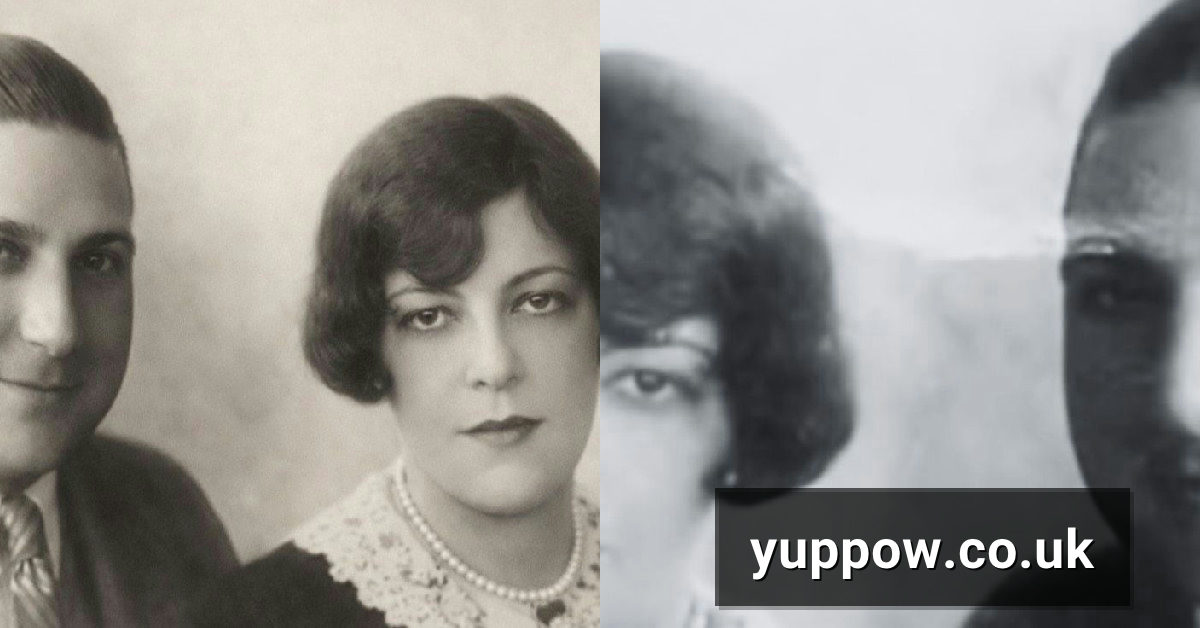
Many assume that a performer who appeared in only a handful of films must have had a minor career. For Lauretta Giegerman, the truth is more nuanced.
What the Term ‘Ziegfeld Girl’ Actually Means in Giegerman’s Case
The phrase “Ziegfeld Girl” often conjures images of glamorous showgirls in elaborate costumes. For Giegerman, being part of the Ziegfeld Follies meant more than just standing on a stage. She was a trained soprano who performed in musical numbers, not merely a decorative figure. The Follies, a series of revues running from 1907 to 1931, featured singers, dancers, and comedians. Giegerman joined the 1931 edition, which included sketches and songs by top composers. Her role required both vocal skill and comedic timing, a combination that set her apart from many of her peers. The term “Ziegfeld Girl” thus understates her actual contribution as a singing actress.
What Is Confirmed and What Remains Unverified About Her Life
She died on November 14, 1985, in New York City. Her Broadway credits include “The New Moon” (1928) and “The Band Wagon” (1931), both major productions. She also appeared in the film “The Great Ziegfeld” (1936), a biopic that won the Academy Award for Best Picture. However, details about her marriage remain unclear. Some sources mention a spouse named John H. A. L., but no further biographical information is widely available.
How Giegerman Compares to Other Broadway-to-Hollywood Transfers of the 1930s
Many stage performers of the 1930s attempted to cross over into film, with varying success. Giegerman’s trajectory resembles that of actress and singer Lillian Roth, who also appeared in the Ziegfeld Follies and made a few films. However, Roth had a longer filmography and a more publicized personal life. Giegerman’s film career was even briefer, with fewer than ten credited roles. Another comparison is with actress and dancer Ann Pennington, a Ziegfeld star who appeared in early sound films. Pennington had a more extensive film career, but Giegerman’s vocal training gave her an edge in musical roles. Unlike many of her contemporaries, Giegerman did not pursue a long Hollywood career; she returned to New York and focused on teaching.
Who Benefits from Remembering Giegerman and Why It Matters
Theater historians benefit most from studying Giegerman’s career. Her work in Romberg operettas and the Ziegfeld Follies provides insight into the musical theater of the 1920s and 1930s. For students of performance, her transition from stage to screen and back illustrates the challenges faced by performers in the early sound era. General readers interested in classic Hollywood may find her story a reminder that not every star achieved lasting fame. The broader public gains a more complete picture of the entertainment industry’s history. By preserving her legacy, archives ensure that future generations can study the breadth of talent that shaped American theater and film.
| Aspect | Details |
|---|---|
| Birth | December 12, 1900, Berlin, Germany |
| Death | November 14, 1985, New York City |
| Notable Broadway Shows | “The New Moon” (1928), “The Band Wagon” (1931) |
| Film Appearance | “The Great Ziegfeld” (1936) |
| Key Collaborator | Sigmund Romberg (composer) |
| Later Career | Voice and acting teacher in New York |
Frequently Asked Questions
How much did Lauretta Giegerman earn for her film roles?
Specific salary figures for Giegerman’s film appearances are not publicly available. Contracts from the 1930s were often private, and her brief film career likely did not command the high fees of major stars. Theater archives may hold payment records, but they have not been digitized or widely published. Public records covering this story are gathered in Who Was Lauretta Giegerman? The Private Life of Frank Costello's Wife
How does Giegerman’s stage work differ from her film performances?
On stage, Giegerman performed live in front of audiences, requiring strong vocal projection and timing. In film, she adapted to the camera’s intimacy, with multiple takes and close-ups. Her role in “The Great Ziegfeld” was a small part, whereas her stage roles in “The New Moon” were lead or supporting singing parts.
What is Lauretta Giegerman best known for today?
She is best known for her work in the Ziegfeld Follies and her association with composer Sigmund Romberg. Her appearance in the Oscar-winning film “The Great Ziegfeld” also keeps her name in classic movie references. Theater historians cite her as an example of a versatile performer who bridged stage and screen.
Is Lauretta Giegerman still remembered in modern theater circles?
Yes, but primarily among specialists. Her name appears in theater databases, biographies of Romberg, and studies of the Ziegfeld Follies. General audiences rarely know her, but her contributions are preserved in archives like the New York Public Library for the Performing Arts.
Why did Lauretta Giegerman leave Hollywood after only a few films?
The transition from stage to film was difficult for many performers. Giegerman may have preferred the live theater environment. She returned to New York and taught voice and acting, suggesting a shift in career priorities.
How Giegerman’s Teaching Career Shaped a New Generation
After leaving Hollywood, Giegerman dedicated herself to teaching voice and acting in New York City. She worked with aspiring performers at private studios, passing on techniques she had learned from Broadway and the Ziegfeld Follies. Her students included young actors who later found success on stage and screen. While specific names are not widely recorded, her influence can be traced through the continued use of vocal methods she practiced. This phase of her life highlights a shift from performer to mentor, a path chosen by many artists after their active careers ended.
What Archival Records Reveal About Giegerman’s Legacy
Archival materials such as theater programs, newspaper clippings, and photographs provide the most reliable evidence of Giegerman’s career. The New York Public Library for the Performing Arts holds several items related to her performances. Without these archives, much of her story would be lost. They serve as a reminder that even lesser-known figures contributed to the cultural fabric of their time. Researchers continue to uncover details that add depth to her biography.