
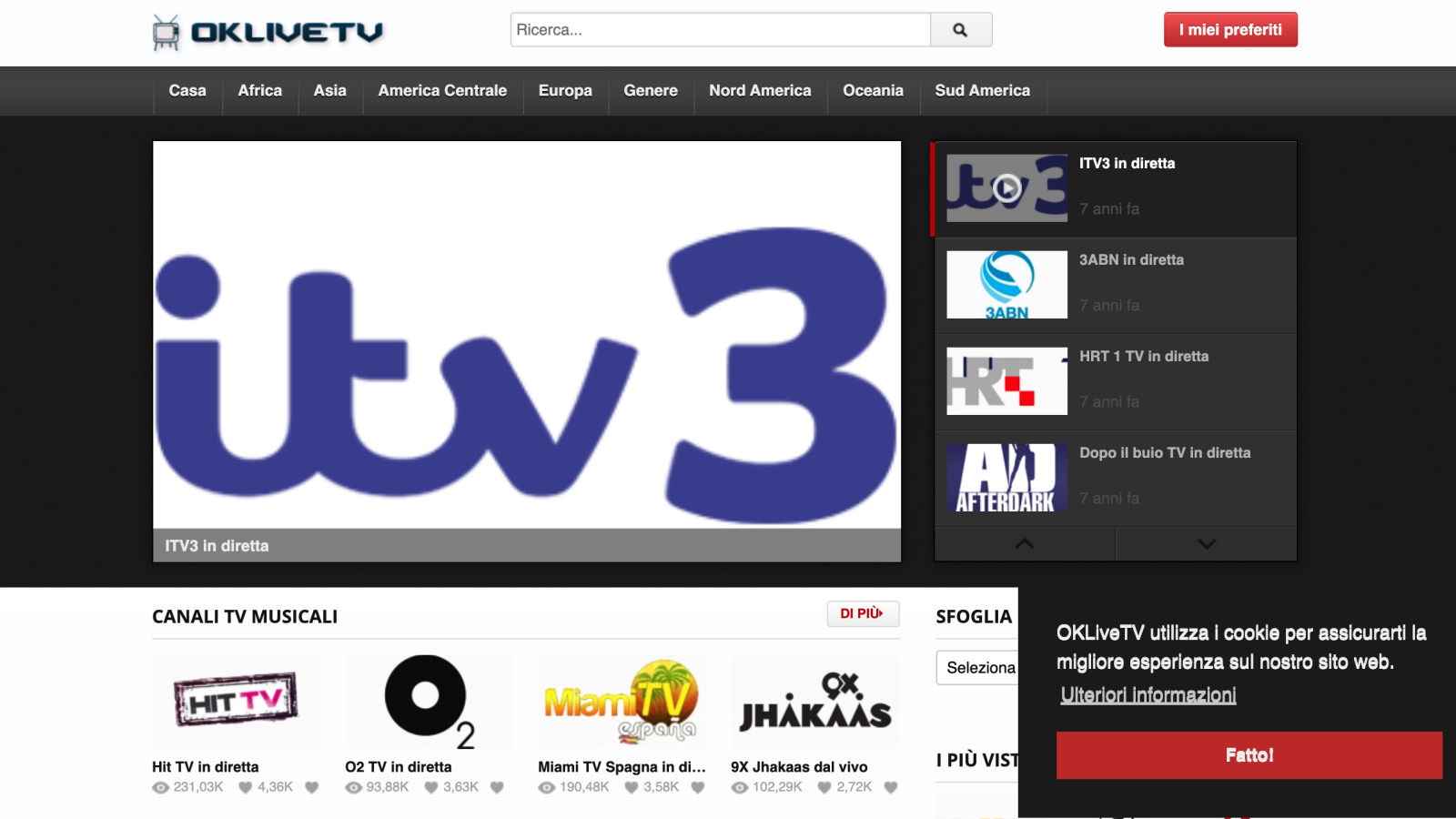
OK Live TV has seen a surge in search interest recently, likely due to renewed discussions about child safety on live streaming platforms. Launched in Indonesia in 2016, the app allowed users to broadcast live and earn virtual gifts, but it also sparked significant controversy.
What Is Confirmed and What Remains Unverified About OK Live TV
OK Live TV was developed by PT. Ok Lingkar Media, an Indonesian company. The app launched in 2016 and quickly gained traction among young users. It offered a cash reward system for top streamers, which attracted many broadcasters. However, in 2017, Indonesia’s Ministry of Communication and Information Technology temporarily banned the app. The reason cited was alleged exploitation of child streamers. The ban was lifted after the company complied with local content regulations. As of 2023, the app remains active but with reduced mainstream visibility. Some reports suggest the platform still operates, but its user base has declined. Unverified claims include that the app had millions of users at its peak, but exact numbers are not publicly available. What is clear is that OK Live TV faced serious scrutiny over age verification measures, which critics say were insufficient. Background on ok live tv is documented in Ok Live Tv
How OK Live TV Compares to Bigo Live and TikTok Live
OK Live TV competes directly with Bigo Live and TikTok Live, both of which are popular in Southeast Asia. Bigo Live, launched in 2016 by Singapore-based Bigo Technology, also allows live streaming and virtual gifting. It has a global reach and a more robust moderation system. TikTok Live, integrated into the TikTok app, benefits from a massive user base and advanced content moderation. In contrast, OK Live TV was primarily focused on the Indonesian market and lacked the resources for comprehensive safety features. One key difference is the cash reward system: OK Live TV was known for directly paying top streamers, while Bigo and TikTok use virtual currencies that can be cashed out. Another difference is the controversy history: OK Live TV faced a government ban, whereas Bigo and TikTok have faced regulatory scrutiny but not outright bans in Indonesia. The table below summarizes key comparisons.
| Feature | OK Live TV | Bigo Live | TikTok Live |
|---|---|---|---|
| Launch Year | 2016 | 2016 | 2019 (integrated) |
| Primary Market | Indonesia | Global | Global |
| Cash Reward System | Direct cash payments | Virtual currency, cash out | Virtual currency, cash out |
| Government Ban | Yes (2017) | No | No |
| Age Verification | Criticized as insufficient | Moderate | Moderate to strict |
Real-World Impact and Audience Reaction to OK Live TV
The platform’s cash reward system created a new income stream for some Indonesian youths. Many streamers earned money by performing, singing, or simply chatting. However, the lack of robust age verification led to concerns about child exploitation. In 2017, reports emerged of children as young as 10 streaming on the app, sometimes in inappropriate settings. This sparked public outrage and calls for stricter regulation. The Indonesian government responded by temporarily blocking the app. After the ban, OK Live TV implemented some changes, but critics argue they were not enough. The controversy also fueled broader discussions about the safety of live streaming platforms in Indonesia. Parents and child advocacy groups became more vigilant. Some users defended the app, saying it provided opportunities for talented individuals. Others felt the platform prioritized profit over safety. The incident highlighted the challenges of regulating digital content in a rapidly growing market. As a result, other platforms like Bigo Live and TikTok Live faced increased scrutiny as well.
Background and Origin of OK Live TV: From Launch to Ban
OK Live TV was launched in 2016 by PT. Ok Lingkar Media, an Indonesian technology company. The app was designed to capitalize on the growing trend of live streaming. It allowed users to broadcast themselves in real time and receive virtual gifts from viewers. These gifts could be converted into cash, which was a major draw. The app quickly gained popularity, especially among teenagers and young adults. By 2017, it had become one of the top live streaming apps in Indonesia. However, its rapid growth also attracted negative attention. In April 2017, the Ministry of Communication and Information Technology issued a temporary ban. The ministry cited violations of content regulations, particularly involving child protection. The ban lasted several weeks. During this time, OK Live TV worked with authorities to address the issues. The company agreed to implement stricter age verification and content moderation. The ban was lifted in May 2017. Despite this, the app never fully recovered its previous momentum. Competitors like Bigo Live and TikTok Live continued to grow. As of 2023, OK Live TV still exists but operates with a much smaller user base. The company has not publicly disclosed recent user numbers.
Frequently Asked Questions
Who founded OK Live TV and what is the parent company?
OK Live TV was developed by PT. Ok Lingkar Media, an Indonesian company. The specific founder is not widely publicized, but the company is based in Indonesia and focuses on digital media and entertainment.
How does OK Live TV differ from other live streaming apps like Bigo Live?
OK Live TV primarily targeted the Indonesian market and offered direct cash payments to top streamers, whereas Bigo Live has a global reach and uses a virtual currency system. OK Live TV also faced a government ban in 2017, which Bigo Live did not.
Is it true that OK Live TV was banned for child exploitation?
The ban was lifted after the company complied with regulations. However, specific details of the exploitation remain unverified.
What is OK Live TV best known for in Indonesia?
OK Live TV is best known for its cash reward system that allowed streamers to earn money from virtual gifts. It also gained notoriety for the 2017 ban and the subsequent debate about child safety on live streaming platforms.
How many users did OK Live TV have at its peak?
Exact user numbers are not publicly available. Some reports suggest it had millions of users in Indonesia, but these figures are unverified. The app’s popularity declined after the 2017 ban and the rise of competitors.
How the Cash Reward System Shaped User Behavior on OK Live TV
The direct cash payment model of OK Live TV was a double-edged sword. On one hand, it motivated streamers to produce engaging content. Many young Indonesians saw it as a viable way to earn money without formal employment. Streamers would often perform for hours, hoping to attract viewers who would send virtual gifts. These gifts, purchased with real money, could be converted into cash by the streamer. This created a competitive environment where popular streamers could earn significant amounts. However, the system also incentivized risky behavior. Some streamers, including minors, engaged in provocative or dangerous acts to attract more gifts. The platform’s moderation struggled to keep up. This led to the 2017 ban and subsequent reforms. After the ban, OK Live TV introduced stricter rules, but the damage to its reputation was done. Many users migrated to other platforms that offered similar earning opportunities but with better safety measures.
The Role of Government Regulation in Shaping Live Streaming in Indonesia
The OK Live TV case prompted the Indonesian government to take a closer look at live streaming platforms. In 2017, the Ministry of Communication and Information Technology issued a regulation requiring all live streaming apps to implement age verification and content moderation. This regulation affected not only OK Live TV but also other platforms operating in Indonesia. The government also established a task force to monitor digital content. These measures were aimed at protecting minors from exploitation. However, enforcement has been challenging. Many platforms still struggle with verifying the age of users. The OK Live TV controversy also led to public awareness campaigns about online safety. Schools and parents became more involved in educating children about the risks of live streaming. Despite these efforts, incidents of child exploitation on live streaming platforms continue to be reported. The government has since updated its regulations, but the pace of change is slow compared to the rapid evolution of technology.
How OK Live TV Influenced the Development of Other Live Streaming Apps
The controversy surrounding OK Live TV served as a cautionary tale for other live streaming platforms. Competitors like Bigo Live and TikTok Live took note of the regulatory backlash. They invested in more robust moderation systems, including AI-based content filtering and human moderators. They also implemented stricter age verification processes. For example, Bigo Live requires users to submit identification documents to verify their age before they can stream. TikTok Live uses a combination of automated tools and user reporting to flag inappropriate content. These measures have helped them avoid similar bans. However, critics argue that these systems are still not foolproof. The OK Live TV case also influenced the design of reward systems. Many platforms now cap the amount of money a minor can earn or require parental consent. The lessons learned from OK Live TV have contributed to a safer environment for young users, though challenges remain.
What the Future Holds for OK Live TV and Similar Platforms
As of 2023, OK Live TV continues to operate but with a diminished presence. The app is still available for download on major app stores, but its user base is a fraction of what it once was. The company has not released any major updates or new features in recent years. It is unclear whether the platform will survive in the long term. Meanwhile, the live streaming market in Indonesia continues to grow. New platforms are emerging, and existing ones are expanding their offerings. The regulatory environment is also evolving. The government is considering new laws to address online safety, including stricter penalties for platforms that fail to protect minors. For OK Live TV, the future may involve a pivot to a different business model or a merger with a larger company. Alternatively, it may simply fade away as users move to more popular platforms. The legacy of OK Live TV, however, remains as a case study in the risks of rapid growth without adequate safety measures.
How the Cash Reward System Shaped User Behavior on OK Live TV
The direct cash payment model of OK Live TV was a double-edged sword. On one hand, it motivated streamers to produce engaging content. Many young Indonesians saw it as a viable way to earn money without formal employment. Streamers would often perform for hours, hoping to attract viewers who would send virtual gifts. These gifts, purchased with real money, could be converted into cash by the streamer. This created a competitive environment where popular streamers could earn significant amounts. However, the system also incentivized risky behavior. Some streamers, including minors, engaged in provocative or dangerous acts to attract more gifts. The platform’s moderation struggled to keep up. This led to the 2017 ban and subsequent reforms. After the ban, OK Live TV introduced stricter rules, but the damage to its reputation was done. Many users migrated to other platforms that offered similar earning opportunities but with better safety measures.
The Role of Government Regulation in Shaping Live Streaming in Indonesia
The OK Live TV case prompted the Indonesian government to take a closer look at live streaming platforms. In 2017, the Ministry of Communication and Information Technology issued a regulation requiring all live streaming apps to implement age verification and content moderation. This regulation affected not only OK Live TV but also other platforms operating in Indonesia. The government also established a task force to monitor digital content. These measures were aimed at protecting minors from exploitation. However, enforcement has been challenging. Many platforms still struggle with verifying the age of users. The OK Live TV controversy also led to public awareness campaigns about online safety. Schools and parents became more involved in educating children about the risks of live streaming. Despite these efforts, incidents of child exploitation on live streaming platforms continue to be reported. The government has since updated its regulations, but the pace of change is slow compared to the rapid evolution of technology.
How OK Live TV Influenced the Development of Other Live Streaming Apps
The controversy surrounding OK Live TV served as a cautionary tale for other live streaming platforms. Competitors like Bigo Live and TikTok Live took note of the regulatory backlash. They invested in more robust moderation systems, including AI-based content filtering and human moderators. They also implemented stricter age verification processes. For example, Bigo Live requires users to submit identification documents to verify their age before they can stream. TikTok Live uses a combination of automated tools and user reporting to flag inappropriate content. These measures have helped them avoid similar bans. However, critics argue that these systems are still not foolproof. The OK Live TV case also influenced the design of reward systems. Many platforms now cap the amount of money a minor can earn or require parental consent. The lessons learned from OK Live TV have contributed to a safer environment for young users, though challenges remain.
What the Future Holds for OK Live TV and Similar Platforms
As of 2023, OK Live TV continues to operate but with a diminished presence. The app is still available for download on major app stores, but its user base is a fraction of what it once was. The company has not released any major updates or new features in recent years. It is unclear whether the platform will survive in the long term. Meanwhile, the live streaming market in Indonesia continues to grow. New platforms are emerging, and existing ones are expanding their offerings. The regulatory environment is also evolving. The government is considering new laws to address online safety, including stricter penalties for platforms that fail to protect minors. For OK Live TV, the future may involve a pivot to a different business model or a merger with a larger company. Alternatively, it may simply fade away as users move to more popular platforms. The legacy of OK Live TV, however, remains as a case study in the risks of rapid growth without adequate safety measures.