
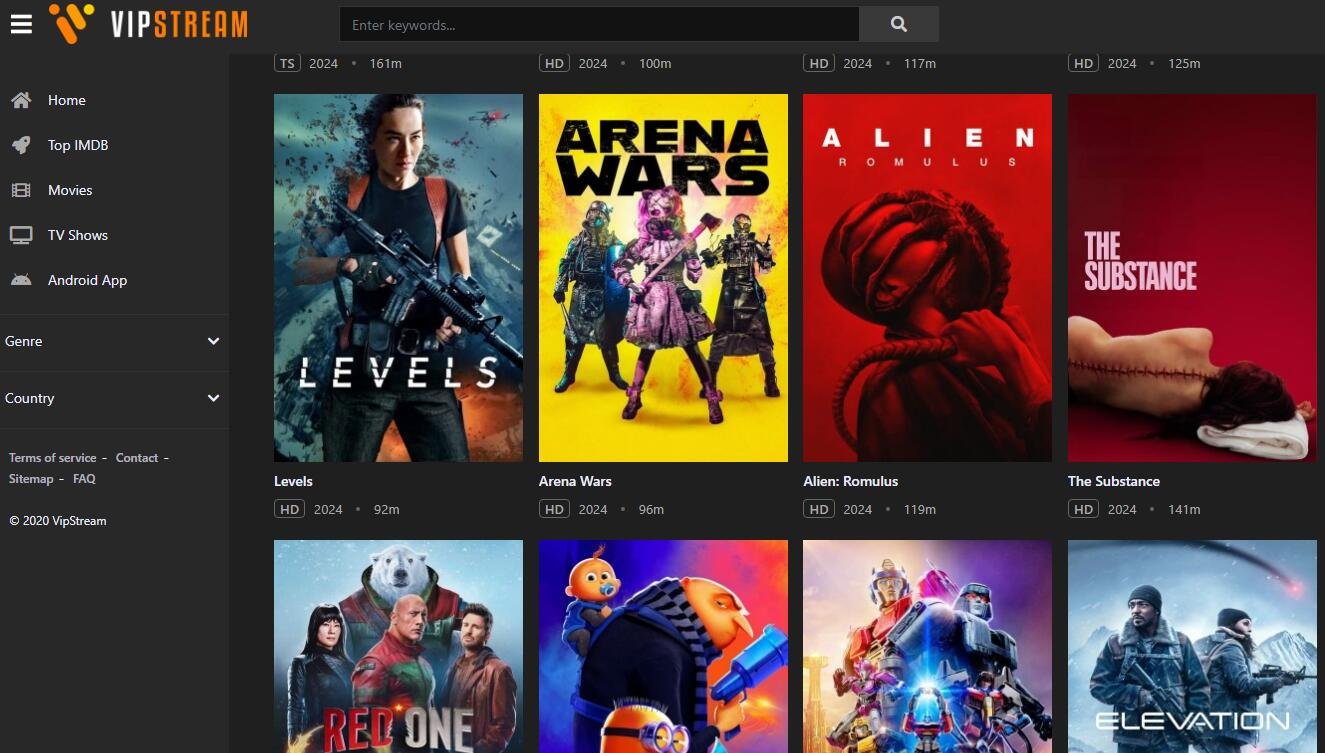
In 2023, a coordinated international law enforcement operation dismantled one of Europe’s largest pirate IPTV networks. VIPStream TV, a service that provided unauthorized access to thousands of live TV channels and on-demand movies, was taken offline after raids in multiple countries. The crackdown, led by Europol and involving police from Italy and the Netherlands, targeted a platform that had amassed over half a million subscribers and generated millions in illegal revenue.
How VIPStream TV Grew from a Small Operation to a Major Piracy Network
VIPStream TV began as a relatively obscure IPTV service, offering cheap subscriptions to live sports, premium movies, and television shows. Unlike legitimate streaming platforms, it did not secure licensing agreements with content owners. Instead, it captured and redistributed signals from legitimate broadcasters without authorization. The service’s low monthly fees—often under €10—attracted a large user base across Europe and beyond. By 2022, VIPStream TV had reportedly grown to serve more than 500,000 active subscribers, making it one of the largest pirate IPTV operations in the region. Its infrastructure relied on a network of servers located in several European countries, which allowed it to deliver content with relatively low latency. The operators used sophisticated methods to evade detection, including frequent domain changes and encrypted communications. However, their success also drew the attention of anti-piracy organizations and law enforcement agencies, who began monitoring the service closely. A reference profile of the subject is maintained on Watch movies streaming online – JustWatch
Behind the Scenes: How Law Enforcement Tracked and Infiltrated VIPStream TV
The investigation into VIPStream TV was a complex, multi-year effort. Europol coordinated with national police forces in Italy, the Netherlands, and other countries to gather intelligence on the service’s operations. Investigators used a combination of technical surveillance, financial analysis, and undercover purchases to build a case. They traced the flow of subscription payments through various online payment processors and cryptocurrency exchanges, identifying key individuals involved in the scheme. The technical team also analyzed the service’s server infrastructure, mapping out the locations of its streaming relays and backup systems. In early 2023, authorities executed simultaneous raids at multiple locations, seizing servers, domain names, and financial records. The operation was a significant blow to the IPTV piracy ecosystem, as VIPStream TV had been a major source of illegal streams for premium sports events and newly released movies. The shutdown disrupted access for hundreds of thousands of users overnight, many of whom had paid for annual subscriptions that became worthless.
Current Status: What Happened to VIPStream TV and Its Operators After the Shutdown
Following the 2023 raids, VIPStream TV’s domains were seized and its servers taken offline. The service’s operators faced criminal charges in multiple jurisdictions, including copyright infringement and money laundering. Some individuals were arrested and are awaiting trial, while others remain at large. The legal proceedings are ongoing, with authorities seeking to dismantle the entire network and recover illicit profits. In the aftermath, several copycat services have emerged, attempting to fill the void left by VIPStream TV. However, law enforcement agencies have warned that they will continue to target such operations. Europol has stated that the fight against IPTV piracy remains a priority, and similar crackdowns are expected in the future. For former subscribers, the shutdown served as a stark reminder of the risks associated with using unauthorized streaming services, including potential legal liability and loss of payment for services that can disappear overnight.
Common Misconceptions About VIPStream TV and IPTV Piracy Clarified
One common misconception is that VIPStream TV was a legal service because it charged a subscription fee. In reality, charging for access does not make a service legal if it does not have the rights to distribute the content. Another myth is that using such services is a victimless crime. Content creators, broadcasters, and legitimate platforms lose significant revenue due to piracy, which can impact the production of new content. Some users also believe that they cannot be prosecuted for simply watching streams. While individual viewers are rarely targeted, they may still be violating copyright laws, and in some countries, they can face fines or other penalties. Additionally, many assume that pirate IPTV services are safe to use. In fact, these services often lack security measures and may expose users to malware, phishing attempts, or data breaches. Finally, there is a misconception that shutting down one service like VIPStream TV ends the problem. In reality, new pirate services frequently appear, requiring ongoing enforcement and consumer education to combat the issue effectively.
Frequently Asked Questions
Is it true that VIPStream TV was a legitimate business that just didn’t have the right licenses?
No, VIPStream TV was not a legitimate business. It operated without any licensing agreements from content owners, making it a pirate service. The subscription fees it charged were illegal profits, and the service was shut down by law enforcement for copyright infringement and money laundering.
What is VIPStream TV exactly?
VIPStream TV was a pirate IPTV service that provided unauthorized access to live television channels, sports events, movies, and TV shows. It operated by capturing and redistributing signals from legitimate broadcasters without permission, and it had over 500,000 subscribers before its shutdown in 2023.
Why did law enforcement target VIPStream TV specifically?
VIPStream TV was targeted because of its large scale—over 500,000 subscribers—and the significant revenue it generated through illegal subscriptions. It was a major player in the IPTV piracy ecosystem, and its shutdown was part of a broader effort by Europol and national police to combat digital piracy.
When did the VIPStream TV shutdown occur?
The shutdown occurred in 2023, following a coordinated international operation involving law enforcement from Italy, the Netherlands, and other European countries. Servers and domains were seized, and the service was taken offline during simultaneous raids.
Is VIPStream TV still active today?
No, VIPStream TV is no longer active. Its domains were seized and servers shut down in 2023. However, similar pirate IPTV services have emerged since then, and law enforcement continues to monitor and target such operations.
How VIPStream TV Compared to Other Pirate IPTV Services in Europe
VIPStream TV was not the only pirate IPTV service operating in Europe, but it stood out due to its scale and sophistication. Compared to smaller operations that relied on simple streaming links, VIPStream TV used a robust infrastructure with multiple redundant servers and a custom-built application for users. This made it more reliable and harder to detect than many competitors. Services like Rapid IPTV and King IPTV also operated in the same space, but VIPStream TV’s subscriber base of over 500,000 placed it among the top tier of pirate platforms. The service’s focus on premium sports content, including live football matches from major leagues, was a key differentiator. While other services offered similar content, VIPStream TV’s low latency and high-quality streams attracted a loyal customer base. However, its prominence also made it a prime target for law enforcement, leading to its eventual downfall.
What Former VIPStream TV Users Should Know About Legal Alternatives
For users who relied on VIPStream TV for live sports and movies, there are several legal alternatives available. Legitimate IPTV services like Sling TV, YouTube TV, and Hulu + Live TV offer similar channel lineups with proper licensing. In Europe, services such as Sky, DAZN, and Viaplay provide access to live sports and entertainment. While these options are more expensive than pirate services, they offer reliability, customer support, and legal safety. Some users may also consider free, ad-supported platforms like Pluto TV or Tubi for on-demand content. It is important to note that using pirate services carries risks beyond legal consequences. Malware and phishing attacks are common on such platforms, and personal data may be compromised. Switching to legal alternatives ensures a safer and more sustainable viewing experience. Additionally, many legitimate services offer free trials or discounted introductory rates, making it easier for former pirate users to transition.
The Economic Impact of IPTV Piracy on the Entertainment Industry
The shutdown of VIPStream TV highlighted the broader economic damage caused by IPTV piracy. According to industry reports, digital piracy costs the global entertainment industry billions of dollars annually in lost revenue. For broadcasters and content creators, every illegal stream represents a potential subscription or pay-per-view sale that is lost. Sports leagues are particularly affected, as live events are a major driver of legitimate subscriptions. The Premier League, for example, has invested heavily in anti-piracy measures, including blocking illegal streams during matches. The impact extends beyond revenue loss. Piracy also undermines investment in new content, as studios and networks may be less willing to fund expensive productions if they cannot recoup costs. Law enforcement actions like the one against VIPStream TV are crucial for protecting intellectual property and maintaining the viability of the creative industries. However, the problem persists, and ongoing efforts are needed to educate consumers and enforce copyright laws.
How to Identify and Avoid Pirate IPTV Services Like VIPStream TV
Identifying pirate IPTV services can be challenging, but there are common red flags. Services that offer thousands of live channels for a very low monthly fee, often under €10, are likely operating without licenses. Legitimate services typically have higher costs due to licensing fees. Another warning sign is the lack of official app store presence. Pirate services often require users to sideload apps or use unofficial APK files, which can contain malware. Additionally, if a service promotes itself through social media ads or forums with promises of free premium content, it is probably illegal. Users should also check for transparency about ownership and contact information. Legitimate companies provide clear terms of service and customer support. To avoid such services, consumers should stick to well-known platforms and verify licensing through official sources. If a deal seems too good to be true, it likely is. By choosing legal alternatives, viewers can enjoy content without supporting criminal enterprises or risking their personal data.
How VIPStream TV Compared to Other Pirate IPTV Services in Europe
VIPStream TV was not the only pirate IPTV service operating in Europe, but it stood out due to its scale and sophistication. Compared to smaller operations that relied on simple streaming links, VIPStream TV used a robust infrastructure with multiple redundant servers and a custom-built application for users. This made it more reliable and harder to detect than many competitors. Services like Rapid IPTV and King IPTV also operated in the same space, but VIPStream TV’s subscriber base of over 500,000 placed it among the top tier of pirate platforms. The service’s focus on premium sports content, including live football matches from major leagues, was a key differentiator. While other services offered similar content, VIPStream TV’s low latency and high-quality streams attracted a loyal customer base. However, its prominence also made it a prime target for law enforcement, leading to its eventual downfall.
What Former VIPStream TV Users Should Know About Legal Alternatives
For users who relied on VIPStream TV for live sports and movies, there are several legal alternatives available. Legitimate IPTV services like Sling TV, YouTube TV, and Hulu + Live TV offer similar channel lineups with proper licensing. In Europe, services such as Sky, DAZN, and Viaplay provide access to live sports and entertainment. While these options are more expensive than pirate services, they offer reliability, customer support, and legal safety. Some users may also consider free, ad-supported platforms like Pluto TV or Tubi for on-demand content. It is important to note that using pirate services carries risks beyond legal consequences. Malware and phishing attacks are common on such platforms, and personal data may be compromised. Switching to legal alternatives ensures a safer and more sustainable viewing experience. Additionally, many legitimate services offer free trials or discounted introductory rates, making it easier for former pirate users to transition.
The Economic Impact of IPTV Piracy on the Entertainment Industry
The shutdown of VIPStream TV highlighted the broader economic damage caused by IPTV piracy. According to industry reports, digital piracy costs the global entertainment industry billions of dollars annually in lost revenue. For broadcasters and content creators, every illegal stream represents a potential subscription or pay-per-view sale that is lost. Sports leagues are particularly affected, as live events are a major driver of legitimate subscriptions. The Premier League, for example, has invested heavily in anti-piracy measures, including blocking illegal streams during matches. The impact extends beyond revenue loss. Piracy also undermines investment in new content, as studios and networks may be less willing to fund expensive productions if they cannot recoup costs. Law enforcement actions like the one against VIPStream TV are crucial for protecting intellectual property and maintaining the viability of the creative industries. However, the problem persists, and ongoing efforts are needed to educate consumers and enforce copyright laws.
How to Identify and Avoid Pirate IPTV Services Like VIPStream TV
Identifying pirate IPTV services can be challenging, but there are common red flags. Services that offer thousands of live channels for a very low monthly fee, often under €10, are likely operating without licenses. Legitimate services typically have higher costs due to licensing fees. Another warning sign is the lack of official app store presence. Pirate services often require users to sideload apps or use unofficial APK files, which can contain malware. Additionally, if a service promotes itself through social media ads or forums with promises of free premium content, it is probably illegal. Users should also check for transparency about ownership and contact information. Legitimate companies provide clear terms of service and customer support. To avoid such services, consumers should stick to well-known platforms and verify licensing through official sources. If a deal seems too good to be true, it likely is. By choosing legal alternatives, viewers can enjoy content without supporting criminal enterprises or risking their personal data.
The Role of International Cooperation in the VIPStream TV Takedown
The success of the operation against VIPStream TV depended heavily on cross-border collaboration. Europol facilitated information sharing between Italian and Dutch authorities, who each had jurisdiction over different parts of the network. This cooperation allowed investigators to track financial transactions across multiple countries and coordinate raids simultaneously. Without such international coordination, the operators could have quickly relocated servers or moved funds to evade capture. The case serves as a model for future anti-piracy efforts, demonstrating that no single country can effectively combat digital piracy alone. Similar joint operations have since targeted other major pirate IPTV services, leveraging the same strategies developed during the VIPStream TV investigation.